Palace of the Infantado or Condestable in Colindres
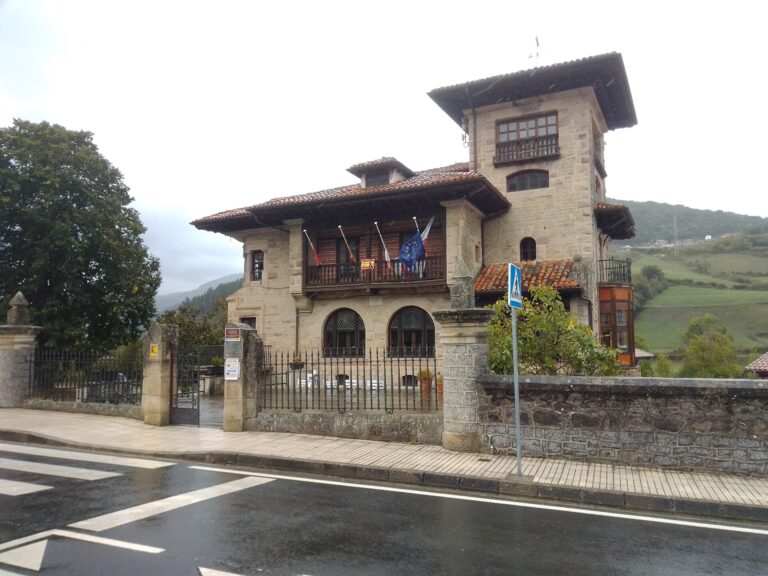
A former medieval tower, transformed into a Renaissance palace, overlooks the historic Camino Real in Colindres de Arriba.
Key details
| Location | Colindres de Arriba, Colindres |
|---|---|
| Municipality | Colindres |
| Type | Heritage |
| Access | Private property; exterior view from the public road |
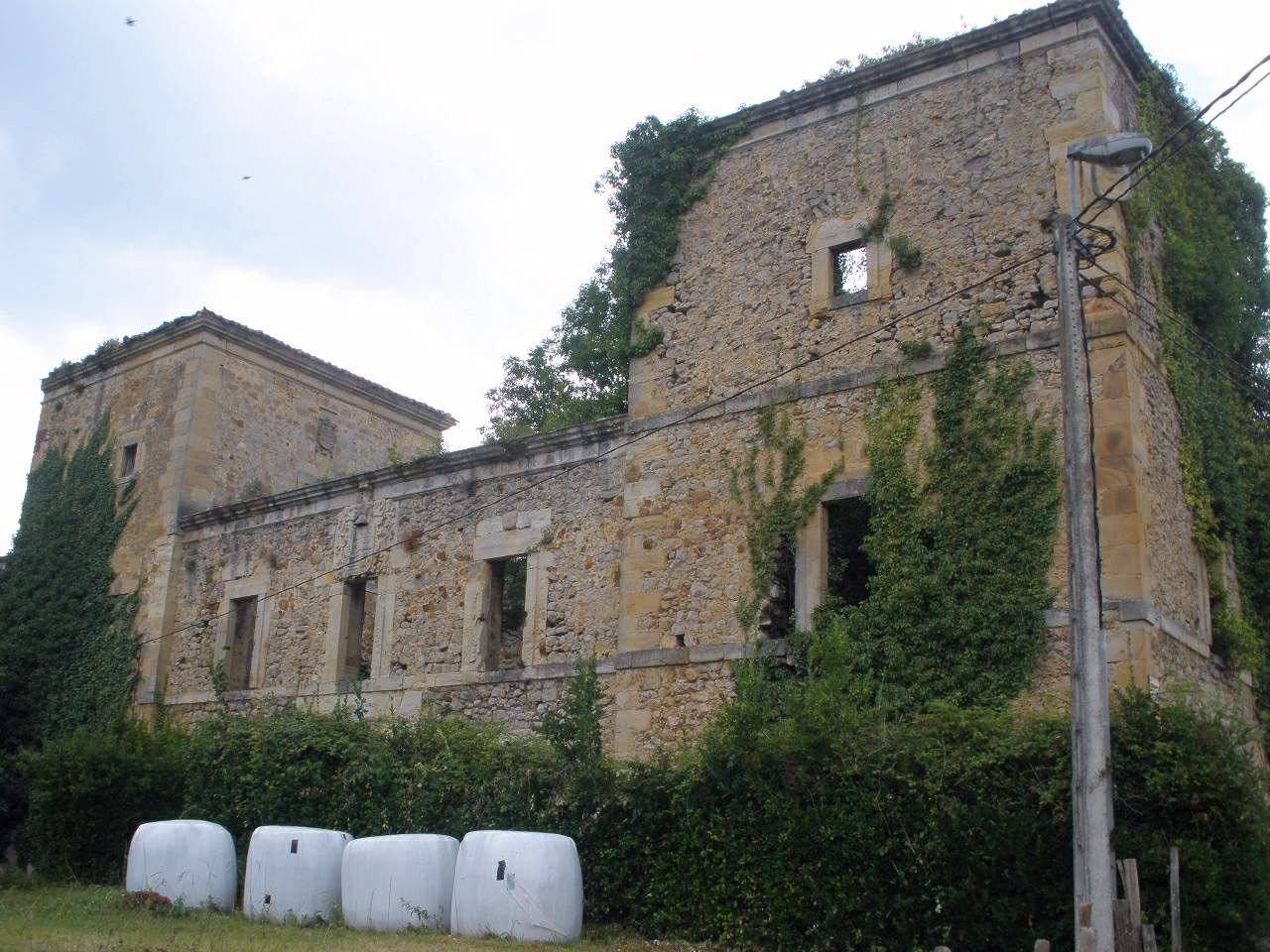
The municipal tourism guide describes a square-plan tower dating from the 14th century, enlarged in the 16th century with a two-storey central section between two towers. Local sources use both names, Palacio del Infantado and Palacio del Condestable. The property is listed in Cantabria’s General Inventory of Cultural Heritage, a designation distinct from Bien de Interés Cultural (BIC) status. Masonry is combined with ashlar at corners and openings. The guide identifies coats of arms associated with the Velasco and Alvarado lineages and records the tower’s sale in 1401. It also recounts damage during the French landing of 1639; this is attributed to the local source, not presented as a dramatized or independently reassessed account. The building is privately owned and no public tourist use or interior visits are announced. It can be viewed from Calle San Juan within the historic streetscape. Do not cross barriers or enter the property. The town’s manor-house walk includes the palace but does not offer an interior visit.
Planning a visit
Private property. View only from the public road.
Access
An exterior view does not mean the building is open to visitors. Check current use and respect private property.
From medieval tower to manor house
The Palacio del Infantado, also known as the Palacio del Condestable, stands on Calle San Juan in Colindres de Arriba. Local tourism information traces the complex to a square tower from the 14th century. In the 16th century a two-storey central block was added, turning the tower into a larger residence flanked by two towers. The present ensemble reflects this gradual development rather than a single building campaign. Its alternative names reflect the families and periods associated with the property.
Materials and composition
The building combines rubble masonry with ashlar stone at the corners and around openings. Its compact towers and central block make visible the change from a defensive structure to a stately residence. The tourism guide mentions several coats of arms and the Alvarado family’s restoration and enlargement of the building. These details should be observed from a public place: this guide does not identify individual arms without specialist study or assign each phase to a specific visible feature.
A history with recorded episodes
The local guide says that in 1401 Juan Sánchez de Oñe and his son Juan de Agüero sold the original tower to Juan de Velasco. It also recounts that the property was damaged during the French landing of 1639. These details follow the municipal tourism account and are presented as its historical narrative, not as a new archaeological assessment. The palace belongs to the heritage landscape that developed around the Camino Real, the route linking Castilian markets with the coast and its ports.
Protection and conservation
The municipal guide lists the palace in Cantabria’s General Inventory of Cultural Heritage and identifies it as privately owned. Inventory status does not imply public access, and visitors should not enter the grounds. It should not be called a Bien de Interés Cultural unless an authoritative source confirms that category. Its visitor interest lies in the exterior and its place on the manor-house route. The information reviewed announces no opening hours or dedicated guided visits.
How to see it
The palace is a stop on the Ruta de las Casonas, which also passes Casa de Valle, Casa Cachupín-Villota, the Santolaja tower, Casa Puerta, Casa Rosa, the Agüero tower and other landmarks. The tourism guide describes a route of about five kilometres and an estimated walking time of nearly two hours. As this material is older, check the route’s current condition and do not rely on those figures when planning a tight schedule. View the palace from the public road; avoid closed areas and structures that may be unsafe.
A stop within the town
The palace helps distinguish Colindres de Arriba from the more modern expansion of Colindres de Abajo. In the upper quarter, stone buildings, coats of arms and streets along the old Camino Real recall the influence of local lineages. In the lower part, the Alameda and 19th- and 20th-century villas represent a different phase. Take time to observe the ensemble from permitted viewpoints, without entering homes or courtyards. You can continue towards the church of San Juan or return to the town to explore the other municipal guides.
Names and the shape of the town
Both names, Infantado and Condestable, appear in local sources and signage. When looking up information or following the route, search for both to avoid mistaking them for two separate buildings. Its position in Colindres de Arriba, among other tower houses, reflects the importance of roads and family networks in the formation of the town. The silhouette can be recognised from outside, but the story of its owners should not be confused with public access.
More to see in Colindres
This guide is part of the Colindres collection. Explore the other places, routes and celebrations linked to the town:
- Church of San Juan Bautista in Colindres
- Colindres Cultural Centre
- Church of Our Lady of Carmen in Colindres
- Manor-house route of Colindres de Arriba
Return to Colindres town or the Colindres municipal guide.
Sources: Consult source ↗ and Consult source ↗.