A historic town and seven rural settlements on the bay
Laredo municipality comprises eight officially recognised population entities: Laredo, La Arenosa, El Callejo, Las Cárcobas, Las Casillas, La Pesquera, Tarrueza and Villante. Spain’s National Statistics Institute recorded 10,675 residents across the municipality on 1 January 2025. The town of Laredo is home to the Puebla Vieja, the harbour and the broad stretch of La Salvé beach; the other settlements are rural and have a very different scale.
The Puebla Vieja is laid out along six historic lanes below the Church of Santa María de la Asunción. Religious and civic architecture, old gates and remnants of the walls, Indianos’ houses, the food market and the Rastrillar fort tell different chapters of local history. Some buildings are privately owned or used by institutions; their inclusion in this guide does not mean that they can be visited inside.
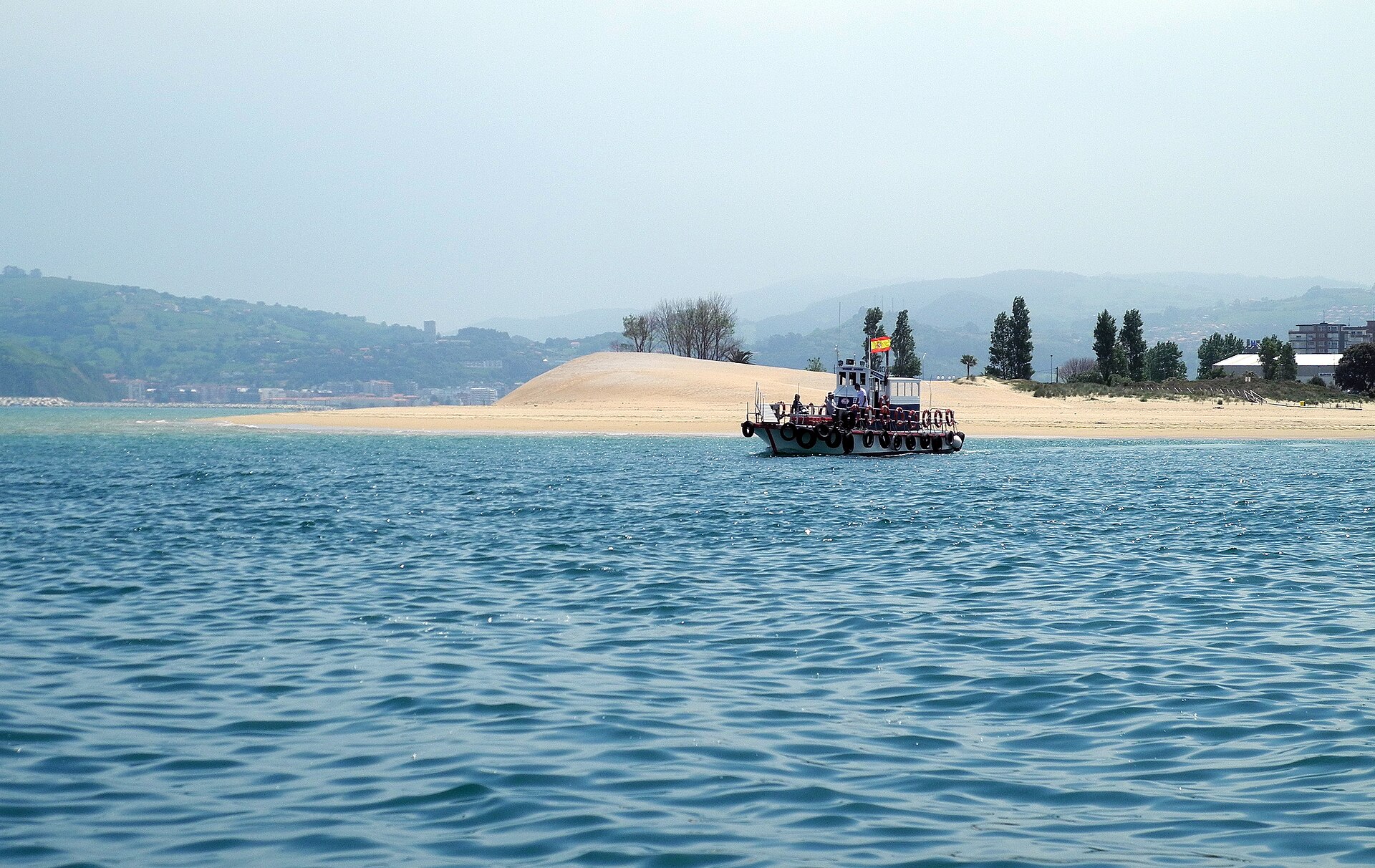
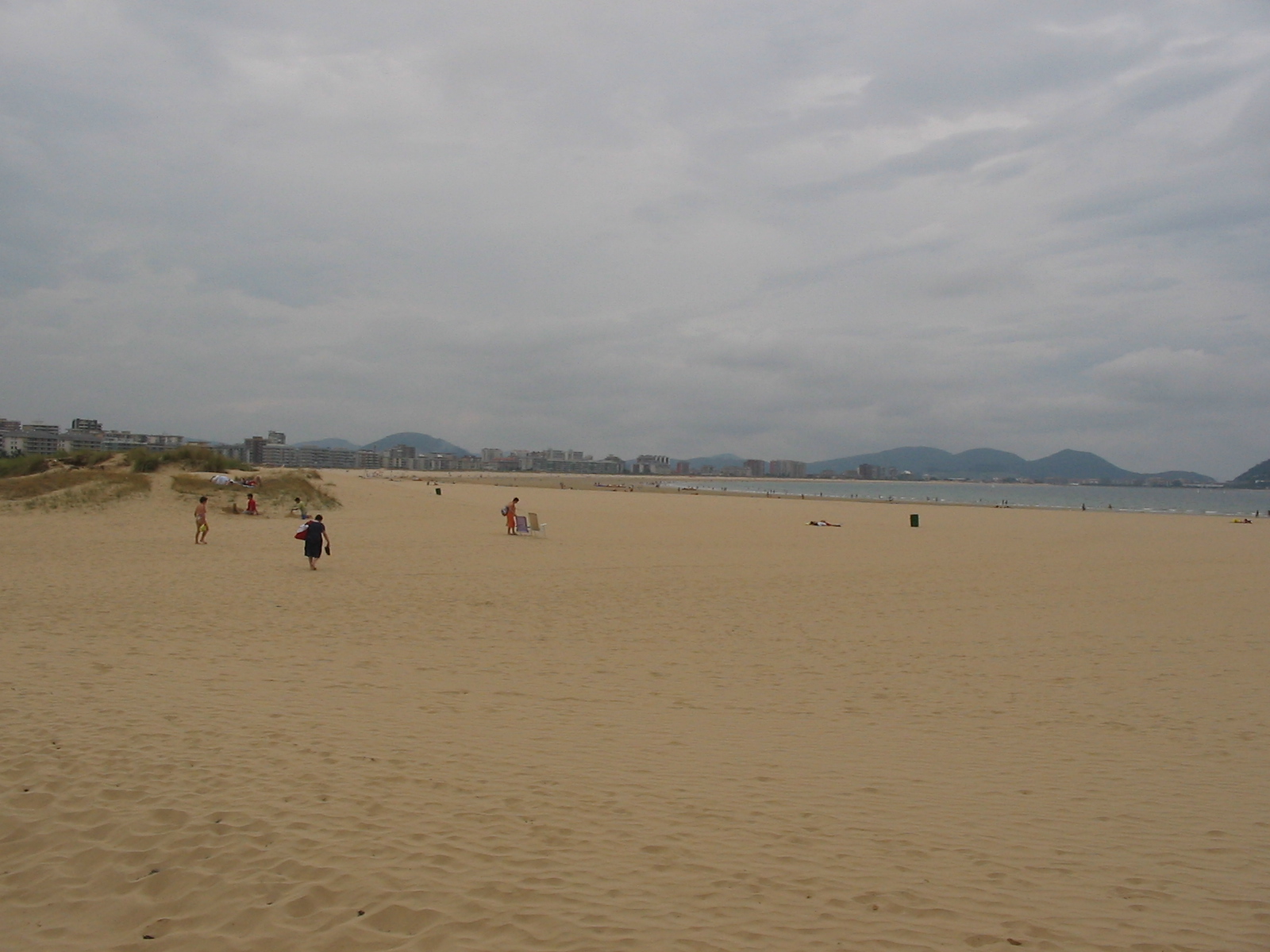
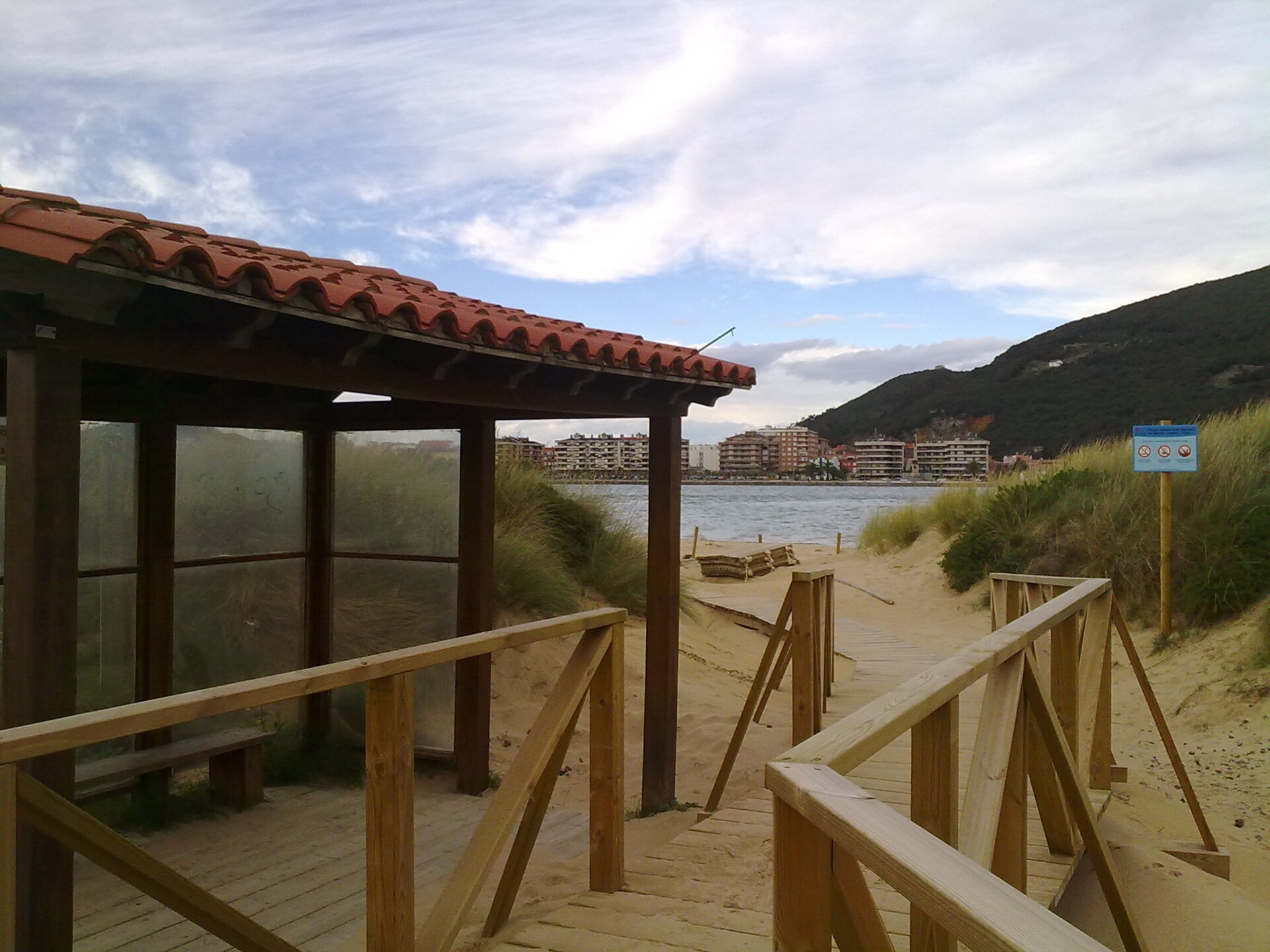
The coastline combines the urban beach of La Salvé with the natural areas of El Regatón and El Puntal and the coves of La Soledad and El Aila. The town council publishes different figures depending on how it groups the beach sections, and services are seasonal. This guide does not add together incompatible measurements or present the services from the 2026 season, which has ended, as currently available.
The town lies beside the Santoña, Victoria and Joyel marshes, a wetland protected under several designations. Outside the centre, the hermitage of Nuestra Señora de la Bien Aparecida in Las Cárcobas, the Belén hermitage in La Pesquera and Santa Ana in Tarrueza connect local festivities with their neighbourhoods. Festival programmes change every year, and routes described in older leaflets should be checked before setting out.
- Settlements in Laredo municipality ES
- Things to see in Laredo ES
- History and heritage of Laredo ES
- Sea and nature in Laredo ES
- Festivals and traditions in Laredo ES
- Routes and ideas in Laredo ES
- Plan your visit to Laredo ES
- Where to eat in Laredo ES
- Where to stay in Laredo ES
Archaeological heritage in the municipality
Some archaeological sites are mentioned in specialist sources, but public visits have not been confirmed. La Baja Cave is identified only by its general surroundings; no public access details or precise location are provided.
Sources: View source ↗, View source ↗, View source ↗ and View source ↗.
Sources: View source ↗, View source ↗, View source ↗, View source ↗, View source ↗, View source ↗ and View source ↗.