A historic town and nine local districts
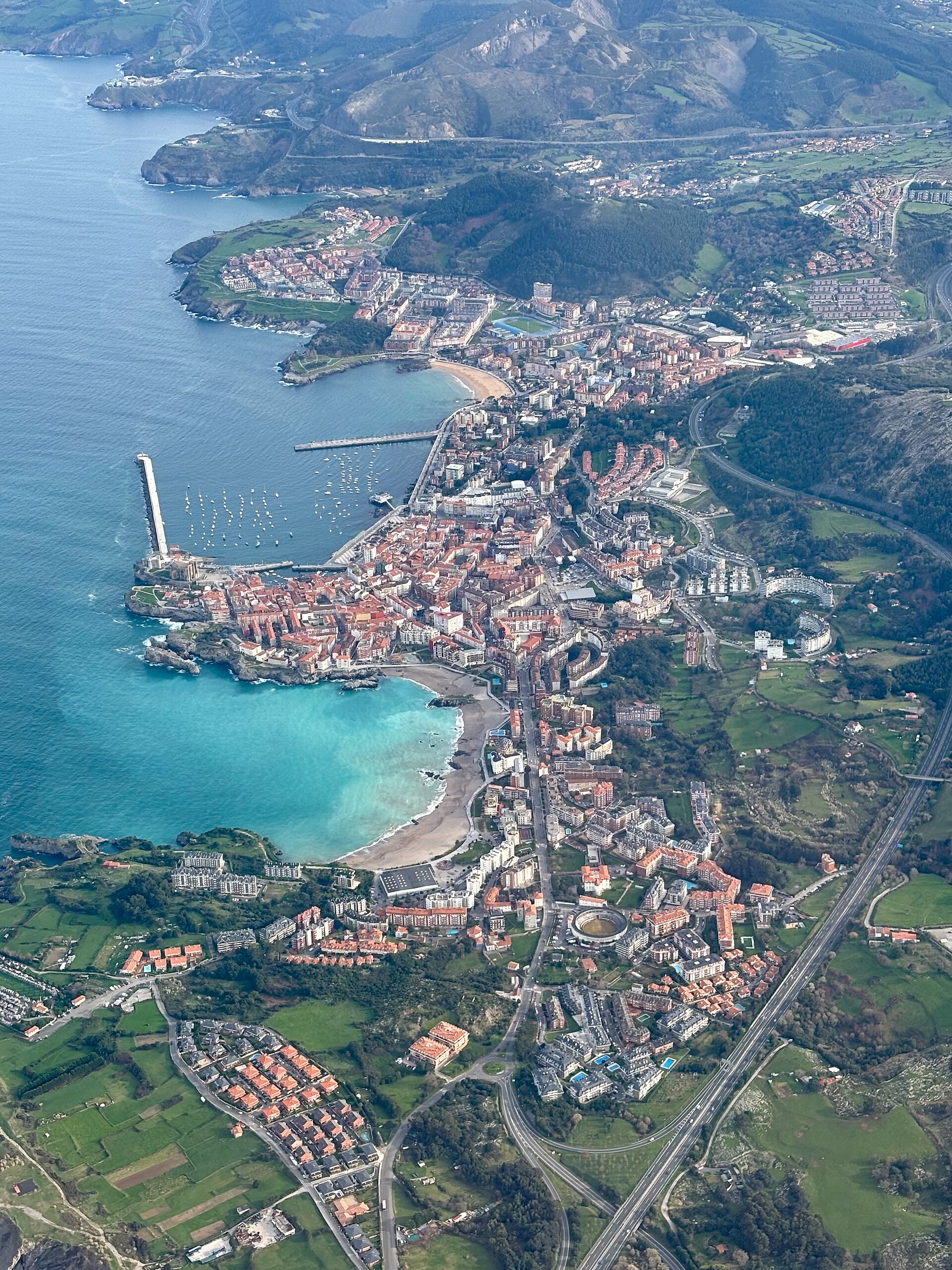
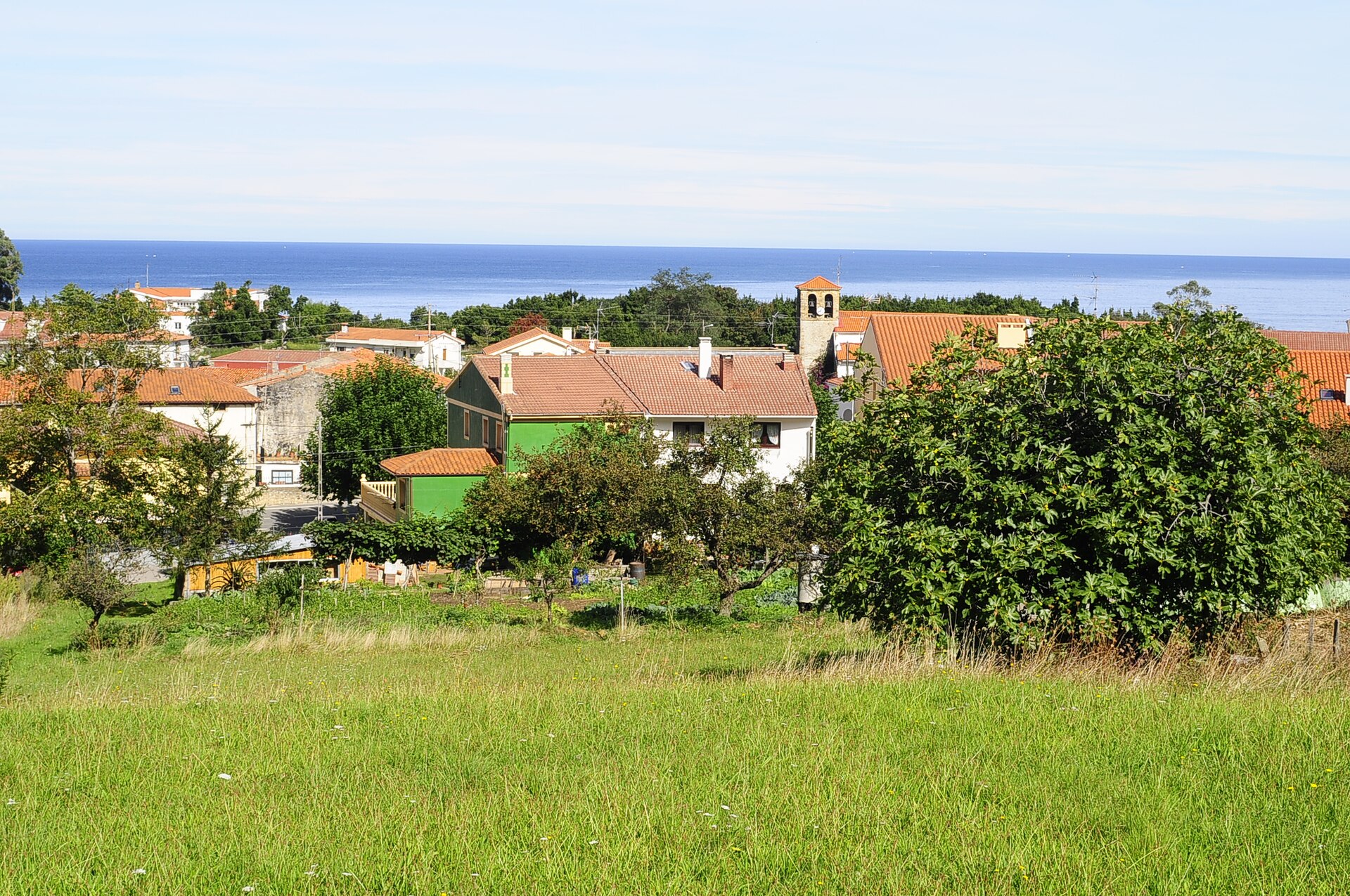
Castro-Urdiales stretches from a historic seafaring town to rural valleys, beaches, cliffs and former mining areas on Cantabria’s eastern coast. The municipality has nine local districts recognised by the council: Cerdigo, Islares, Lusa, Mioño, Ontón, Oriñón, Otañes, Sámano and Santullán. This page introduces the municipality as a whole and distinguishes it from Castro-Urdiales as a locality. Each village guide then leads to its own churches, archaeological remains, coastal sites, routes and traditions. Smaller neighbourhoods are covered within their district rather than treated as separate local authorities.
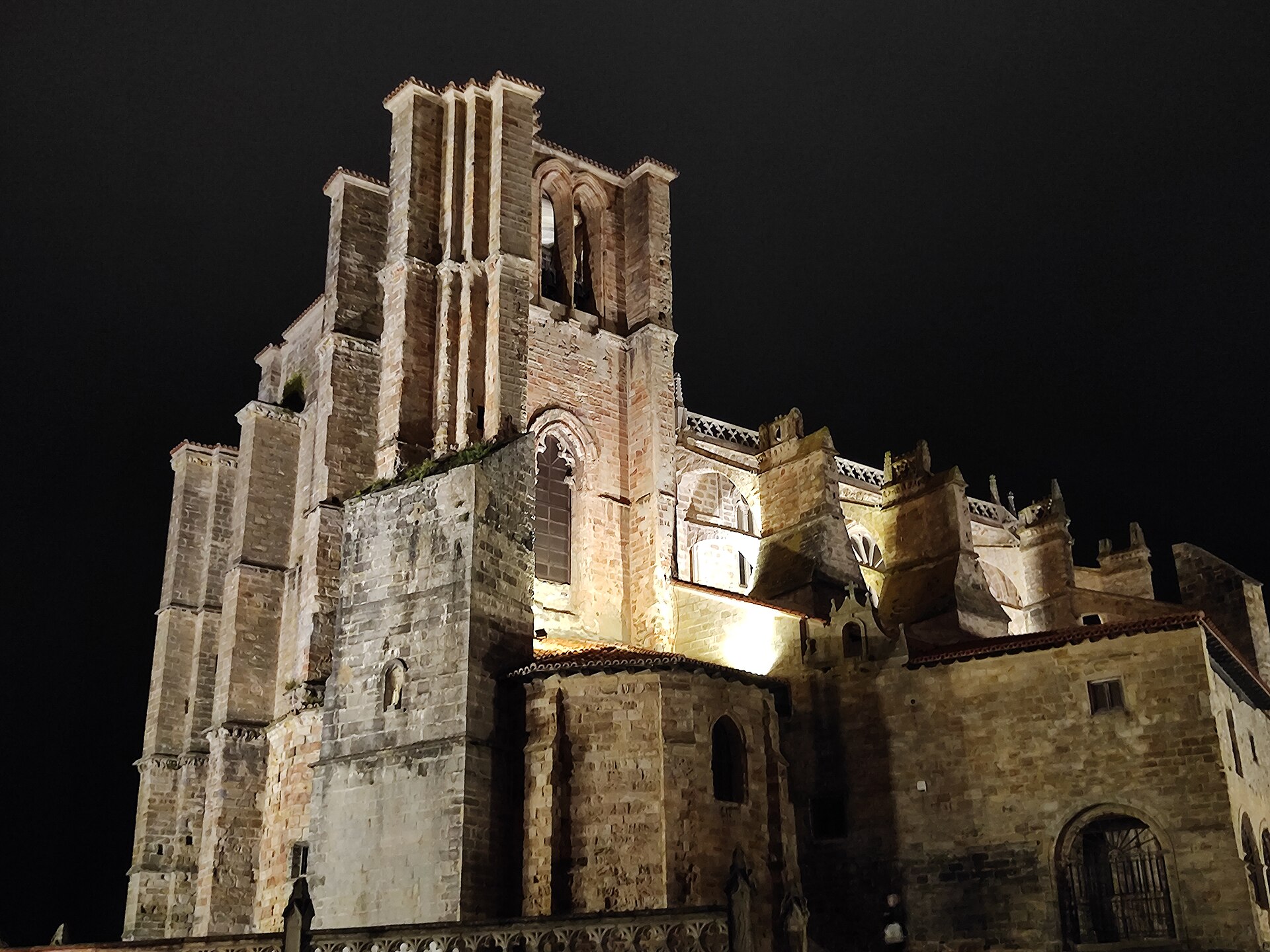
The harbour and old town form the best-known centre of the visit. The Gothic church of Santa María, the castle-lighthouse of Santa Ana, the medieval bridge and the hermitage of Santa Ana sit close to the waterfront. This monumental ensemble reflects centuries of seafaring, trade and religious life. Flavióbriga, the Roman settlement beneath the modern town, adds an earlier layer to the story. Access to monuments and interiors varies; check current opening times and respect any restrictions.
From Roman Flavióbriga to the iron coast
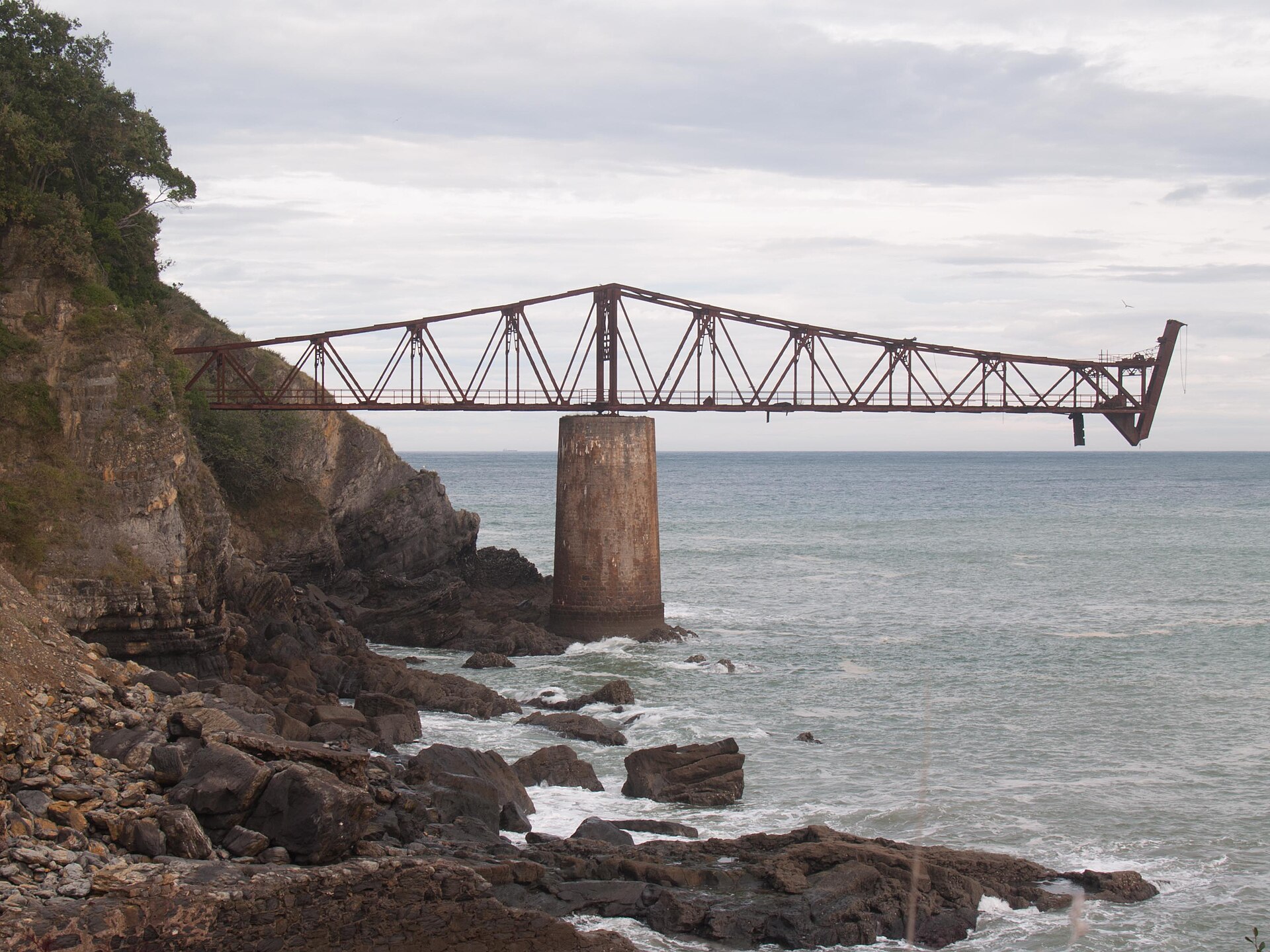
Castro-Urdiales’ history is not confined to the harbour. The Dícido ore loader at Mioño recalls the industrial scale of iron mining and shipping. Former railway corridors have become greenways and walking routes, while inland settlements preserve rural architecture and traces of older roads. Otañes is associated with a Roman road and megalithic heritage; Sámano includes archaeological sites that require protection and should be viewed without disturbing the ground.
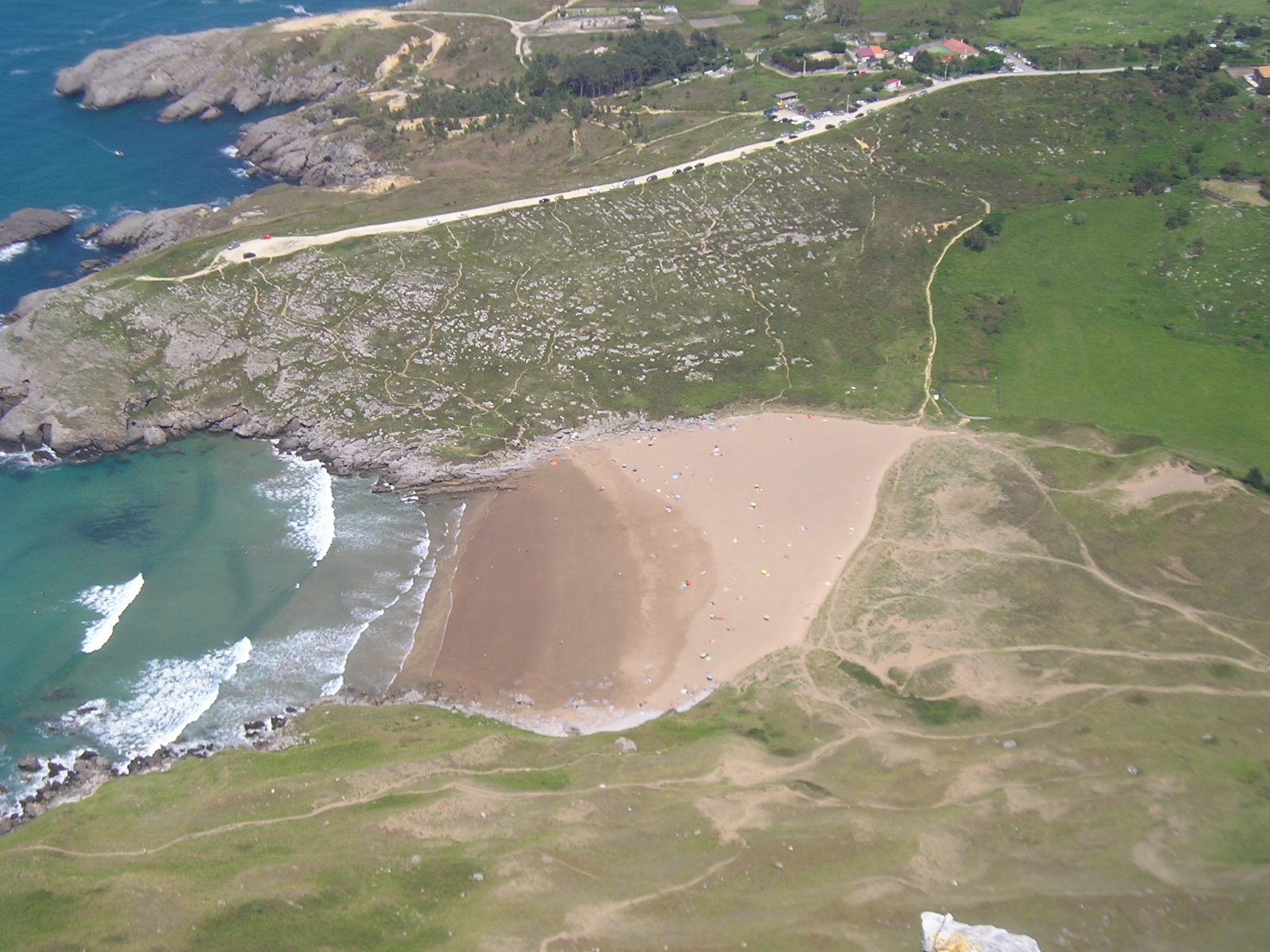
The coast changes from urban beaches to open coves, cliffs and the mouth of the Agüera. Oriñón and its dunes lie beneath the Candina massif; Islares combines beaches with the historic route used by pilgrims; Ontón marks the eastern edge of Cantabria and has its own mining memory. Tides, surf, wind and seasonal restrictions affect access. Check local notices, keep to marked paths and avoid dunes or cliffs when conditions are unsafe.
Choose a locality and follow its places
Begin with the guide to the town and nine local districts ES. Castro-Urdiales town is the starting point for the harbour and monumental centre; Mioño leads to the Dícido loader; Otañes connects valley scenery with historic routes; Oriñón offers a coastal landscape; and Sámano and Santullán reveal inland heritage. Use each locality page to move on to the individual attraction, and confirm whether a site or interior is open to visitors.
Continue to what to see ES, history and heritage ES and routes and nature ES. Before travelling, consult the practical guide ES for current access, services and event information. The coast and mountain areas are sensitive environments: respect protected habitats, private land and local safety guidance.