Church of Our Lady of Mount Carmel in Colindres
The Church of Our Lady of Mount Carmel reflects the growth of Colindres de Abajo and the town’s maritime traditions.
Key details
| Location | Colindres de Abajo, Colindres |
|---|---|
| Municipality | Colindres |
| Type | Religious heritage |
| Access | Active place of worship; check service times |
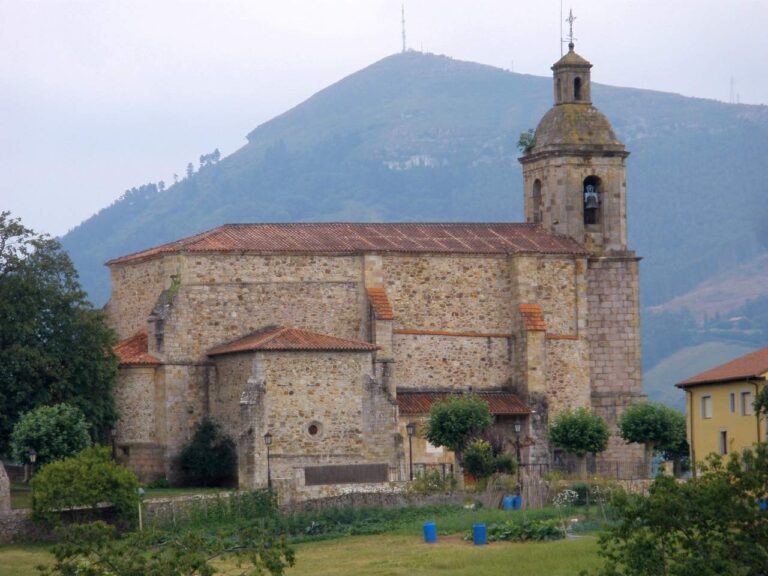
The present church was completed in 1964, according to the municipal tourist route, and designed by Emilio Canosa Gutiérrez. The guide presents it as a modern religious building that broke with earlier local models. Its location is associated with the former setting of the Magdalena chapel, where tourist sources say pilgrims waited before crossing the estuary by the Treto ferry. The dedication to Our Lady of Mount Carmel is closely linked to seafarers and July celebrations. A 2013 programme records a Mass at the Fishermen’s Guild and a procession to the church; this is a historical example, not a guaranteed current itinerary. In 2026 the town calendar publicised San Juan celebrations and summer events, but each year’s programme can change. The church remains in religious use. Entry depends on the parish and service schedule. On feast days, processions, road closures or crowds may affect access; check the current programme and follow organisers’ directions. The sources reviewed do not provide a current art inventory, so this guide does not make claims about altarpieces or interior artworks.
Plan your visit
Religious use; confirm opening times and events with the parish and the town council.
Access
An exterior view does not mean the church is open to visitors. Check current use and respect private property.
The church in Colindres de Abajo
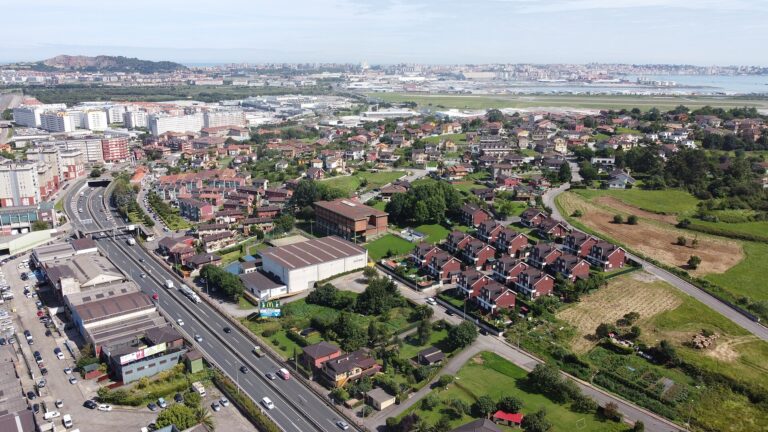
The Church of Our Lady of Mount Carmel forms part of Colindres de Abajo’s streetscape and the town’s 20th-century expansion. Local tourism information dates the present church to 1964 and associates it with architect Emilio Canosa Gutiérrez. This date applies to the current building, not to the origin of the devotion or any earlier religious structure on the site. Its position links the modern quarter with the Alameda and port, and helps trace the town’s growth beyond the historic centre of Colindres de Arriba.
A devotion connected with the sea
Our Lady of Mount Carmel is an invocation with strong ties to fishing communities and coastal life. In Colindres, this connection appears in festival programmes that combine religious observances with events involving the Fishermen’s Guild. A 2013 programme documented a Mass and procession; it is retained as a record of that year, not as proof that the same route is repeated annually. Current celebrations may change dates, routes, times and organisation, so check the town’s summer calendar for the relevant year.
Architecture and urban change
The church is included in the Modernist Route of Colindres de Abajo, a walk that also takes in the Cultural Centre, villas, the music kiosk and buildings from different architectural periods. The Carmen church is not described as a Modernist work: built in 1964, it belongs to a later phase, but its place on the route shows how the neighbourhood continued to grow during the 20th century. The municipal guide locates it near the former Magdalena chapel, associated with the memory of pilgrims crossing by the Treto ferry.
The former Treto ferry
For centuries, before the bridge replaced the ferry service, travellers and pilgrims crossed the estuary between Colindres and the Treto shore by boat. Tourist information says pilgrims gathered around the Magdalena chapel, on the site now occupied by the Carmen church, while waiting to embark. This account explains the strategic importance of the location; it does not mean that ferry facilities remain to be visited. For the wider history of the crossing, see the town guide and the page about Treto Bridge in the neighbouring municipality.
Advice for visiting
The church remains an active place of worship. Ask the parish whether entry is possible and avoid planning a visit during a service. If the building is closed, an exterior stop still helps place it within the urban route. Keep entrances clear, respect the privacy of worshippers and do not assume that a religious celebration is a public tourist event. Street access may be affected by roadworks, traffic or local activities; use pedestrian crossings and park only in permitted areas.
Combine it with the neighbourhood
The church can be included in the Modernist Route and combined with Alameda-Gurugú, the Cultural Centre and the port. The route leaflet gives approximate distance and duration, but pedestrian conditions and the town calendar may change. Check cultural and festival times before setting out and allow time to explore at an unhurried pace. If you are visiting in July or August, consult the festivals and culture guide, then return to the Colindres guide to plan the estuary section.
A church within a pilgrimage story
The memory of the Magdalena chapel connects this area with coastal pilgrimage routes. The municipal tourism guide recounts that travellers waited here for the Treto ferry before crossing the estuary and continuing their journey. This context helps explain the site, but it does not make the present church a hostel or pilgrim station. Anyone walking the Camino del Norte should check current waymarks and route maps, as crossings and services can change. This page gives historical context; it is not a substitute for an up-to-date route guide.
More to see in Colindres
This guide is part of the Colindres collection. Explore other places, routes and celebrations linked to the town:
- Church of San Juan Bautista in Colindres
- Palace of the Infantado or Condestable
- Colindres Cultural Centre
- Manor-house route of Colindres de Arriba
Return to Colindres town or the municipal guide to Colindres.
Sources: Consult source ↗ and Consult source ↗.