Thirty-three settlements between Liébana and the Picos de Europa
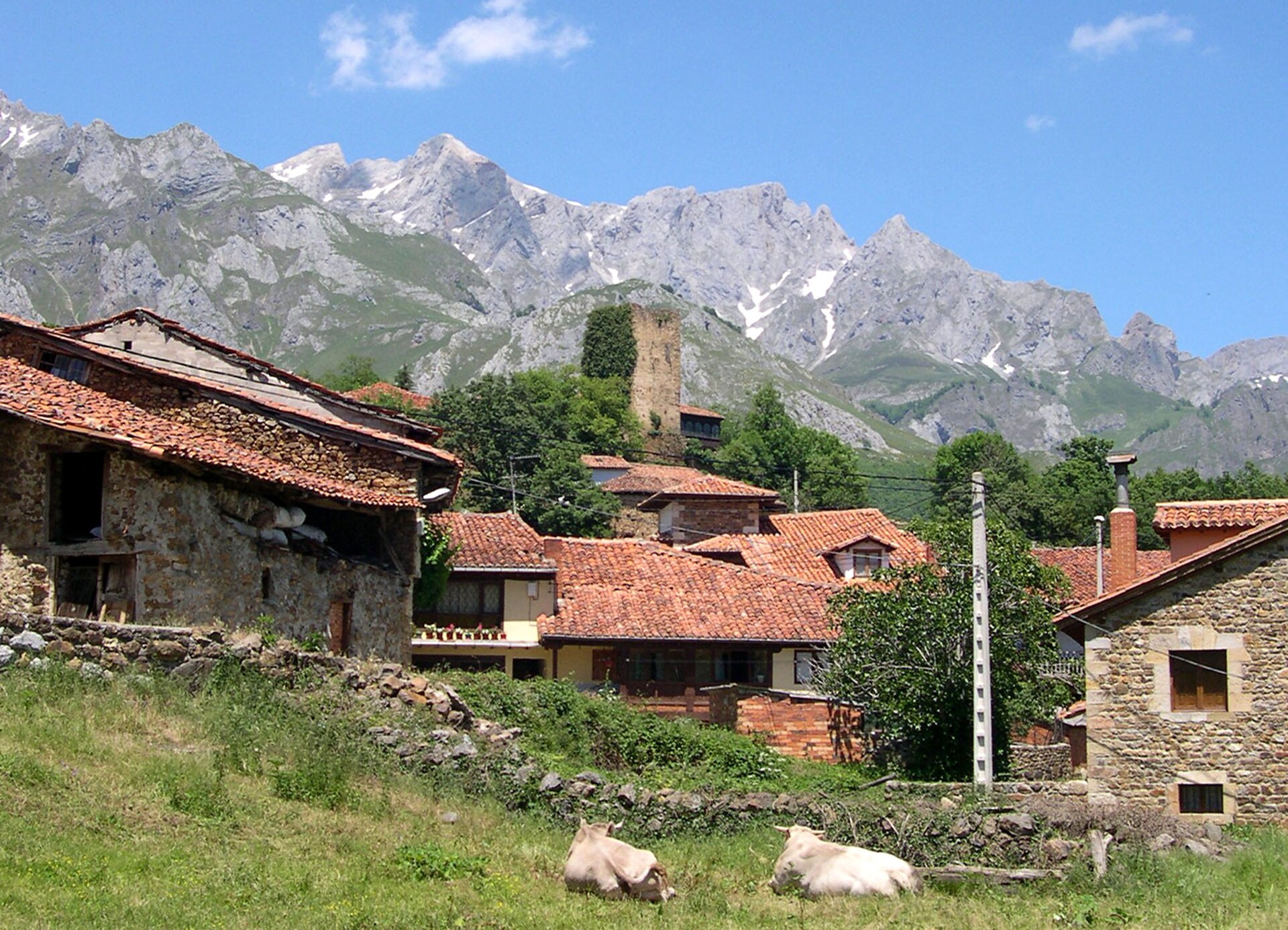
Camaleño is a large mountain municipality in Liébana, stretching from the inhabited valley to the high landscapes around Áliva and Fuente Dé. Its 33 settlements include well-known places such as Mogrovejo, Espinama and Fuente Dé, as well as small hamlets scattered across the valley. This page introduces the municipality as a whole; the individual village guides help you explore each locality and follow links to its churches, historic buildings, traditions and natural sites.
The River Deva and the Lebaniego Way are two important threads through the area. The valley combines river scenery, farming settlements and mountain architecture, while higher routes lead towards pastures and the limestone landscape of the Picos de Europa. Distances on the map can be misleading: roads are winding, elevation changes quickly, and weather in the mountains can differ from conditions in the valley.
Santo Toribio and Mogrovejo
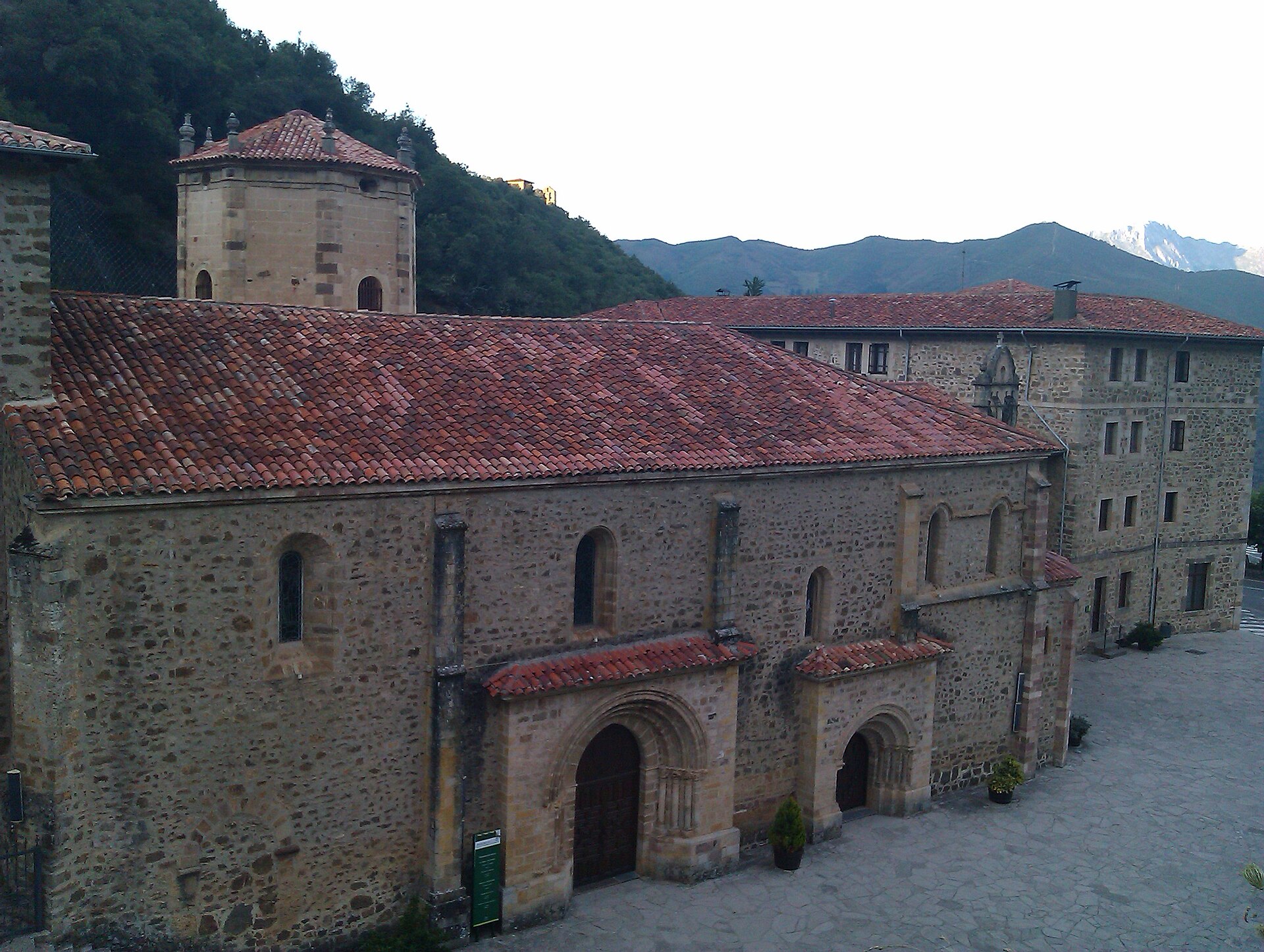
The Monastery of Santo Toribio de Liébana is a major destination for pilgrims and visitors. It is associated with the Lignum Crucis and the Lebaniego pilgrimage tradition. Check the monastery’s current opening times, services and any Jubilee arrangements before travelling. Nearby localities form part of the same cultural landscape, but access to religious buildings and private properties may be restricted.
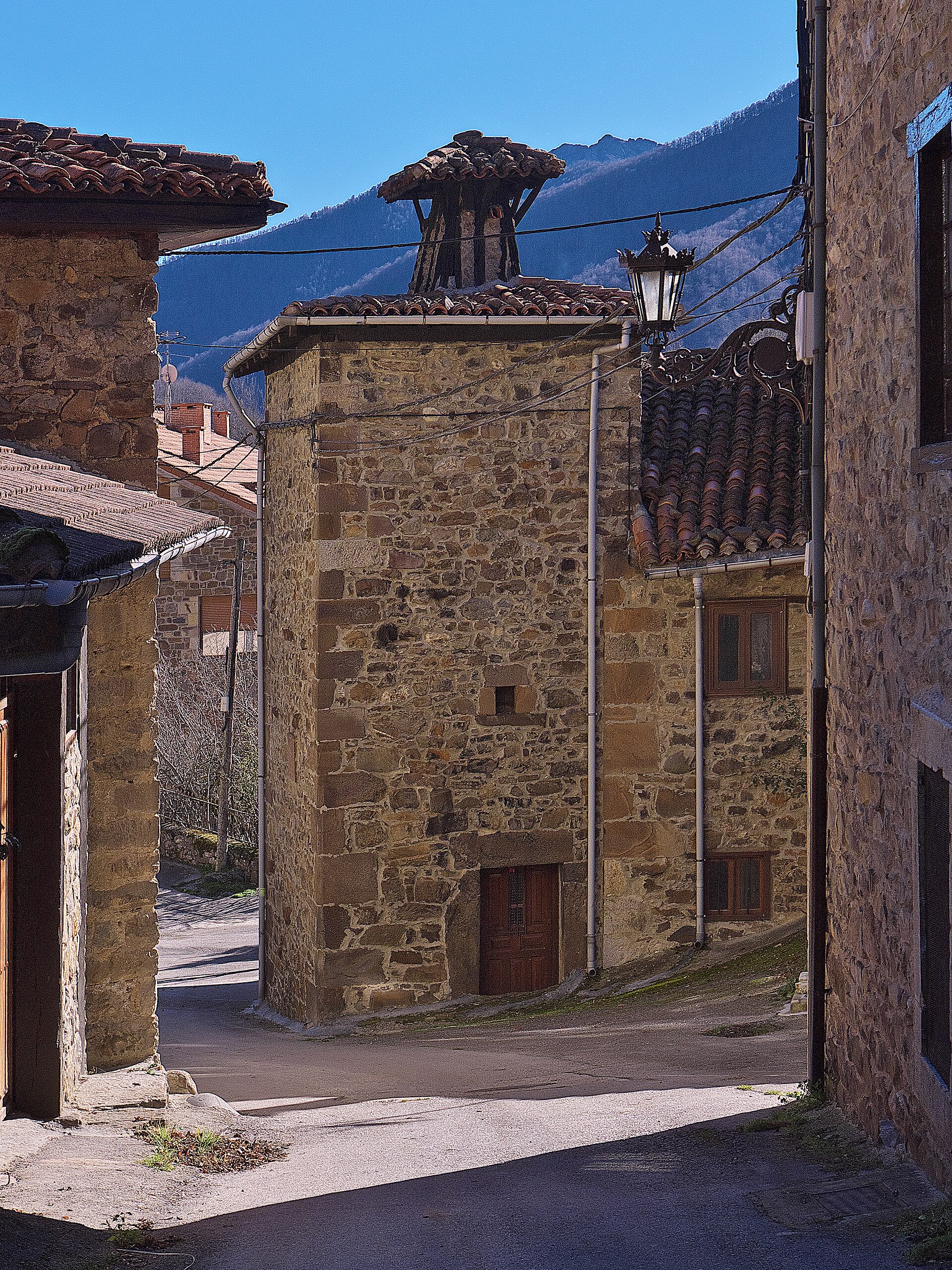
Mogrovejo is a protected historic ensemble recognised for its tower, manor houses and rural school. Across the municipality, churches, chapels, hórreos and traditional houses illustrate the relationship between settlement, livestock farming and the mountain environment. The village pages identify these places individually; please respect residents and private land while walking through them.
Fuente Dé, Áliva and mountain routes
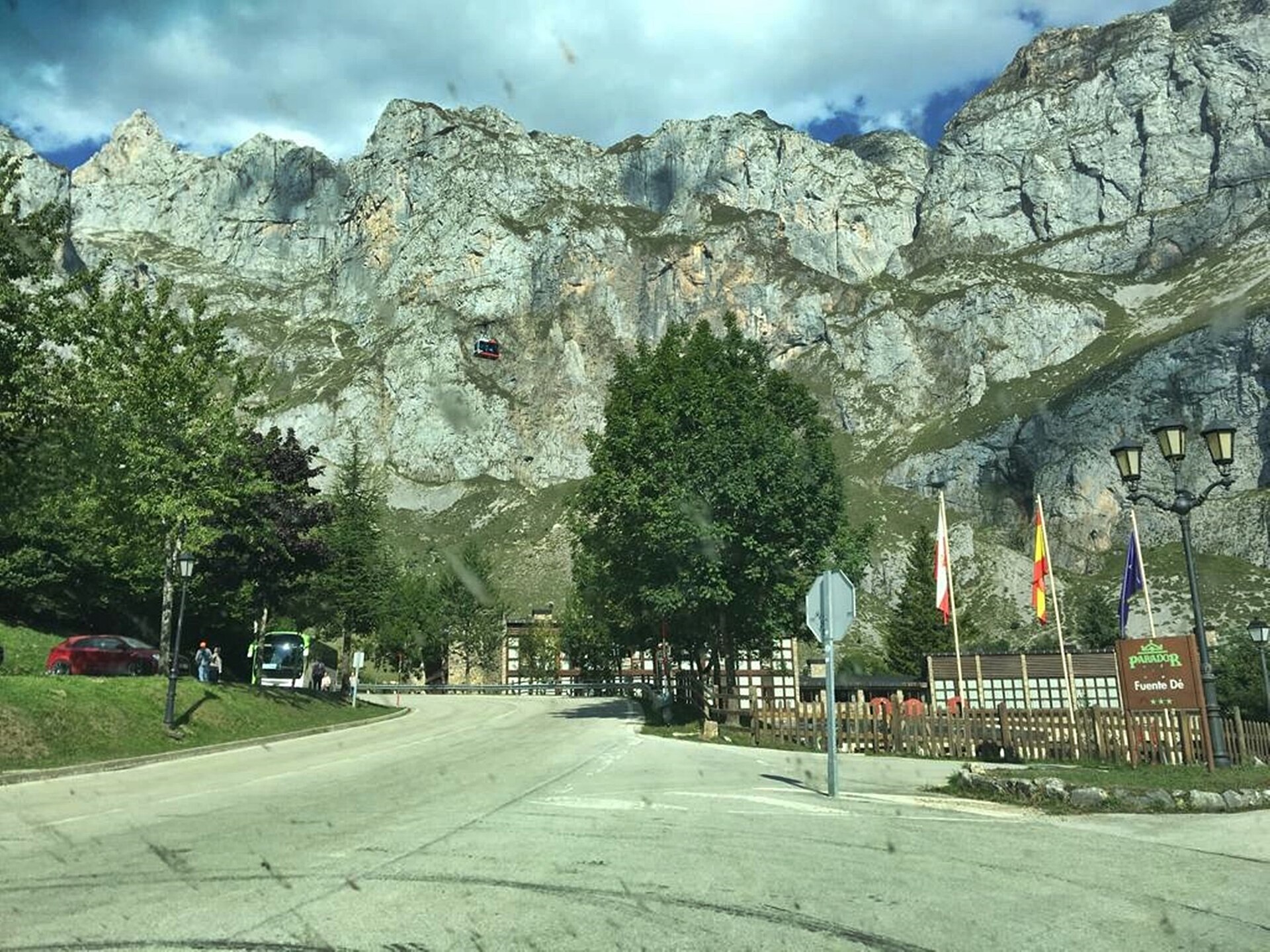
Fuente Dé is the best-known gateway to high mountain scenery and the cable car. The service, timetable and operating conditions can change because of weather, maintenance or seasonal demand. Confirm the official information on the day of your visit. Routes towards Áliva and the Picos require suitable footwear, clothing, water and a realistic assessment of fitness; do not treat high-altitude walks as casual valley strolls.
Camaleño’s cultural calendar includes local patron-saint festivals and the pilgrimage to La Salud, alongside the traditions of rural schools and communal pasture. Dates and programmes vary each year. If an event is the reason for your trip, confirm it with local organisers before setting out.
Choose a locality and build your route
Start with the guide to Camaleño’s 33 villages ES. Mogrovejo is a strong choice for architecture and village history; Espinama and Pido connect with the approach to Fuente Dé; Mieses and Turieno are associated with access to Santo Toribio. The smaller places offer a slower view of life in the valley. Use local pages to identify each attraction and check whether it is open to visitors.
Continue to what to see ES, things to do ES and festivals and culture ES, then consult the practical visitor guide ES. Check road access, altitude, opening times and mountain forecasts, and leave enough time to return safely.