The Planned Salt Museum in Cabezón de la Sal
Cabezón de la Sal Town Council is studying whether a salt interpretation centre could be created at the former Tresano well. The museum has not been built and is not open to the public.
Key details
| Location | Pozo Tresano, near Calle Tresano, Cabezón de la Sal |
|---|---|
| Municipality | Cabezón de la Sal |
| Type | Cultural project |
| Access | Feasibility study in progress; not open as a museum. |
History and background
Tresano was the last salt well to remain in operation in Cabezón. It replaced the Las Tueras well in 1877 and closed in 1979. Brine was pumped and carried to a factory, where it was evaporated and sieved. These industrial remains explain the connection between the deposit, the town’s name and the local economy.
The municipal proposal presented in 2025 aims to recover the remains of the well and turn them into an educational space. In October 2026, geotechnical boreholes had been drilled to examine the soil layers and ground movement; the report was expected to determine whether the site was viable. No later confirmation of the results or a decision to build has been found.
A history of salt production
Salt was obtained from brine flowing beneath the salt diapir. In the nineteenth century it was pumped from the wells and carried by pipe to a factory, where the water was evaporated and the salt sieved. Cabezón Tourism dates the creation of the Sociedad Salinas de Cabezón to 1877, when Tresano replaced the Las Tueras well. Other workings opened towards the end of the nineteenth century, but Tresano was the only one to remain active in the final decades. According to the municipality’s industrial history, the well closed in 1979.
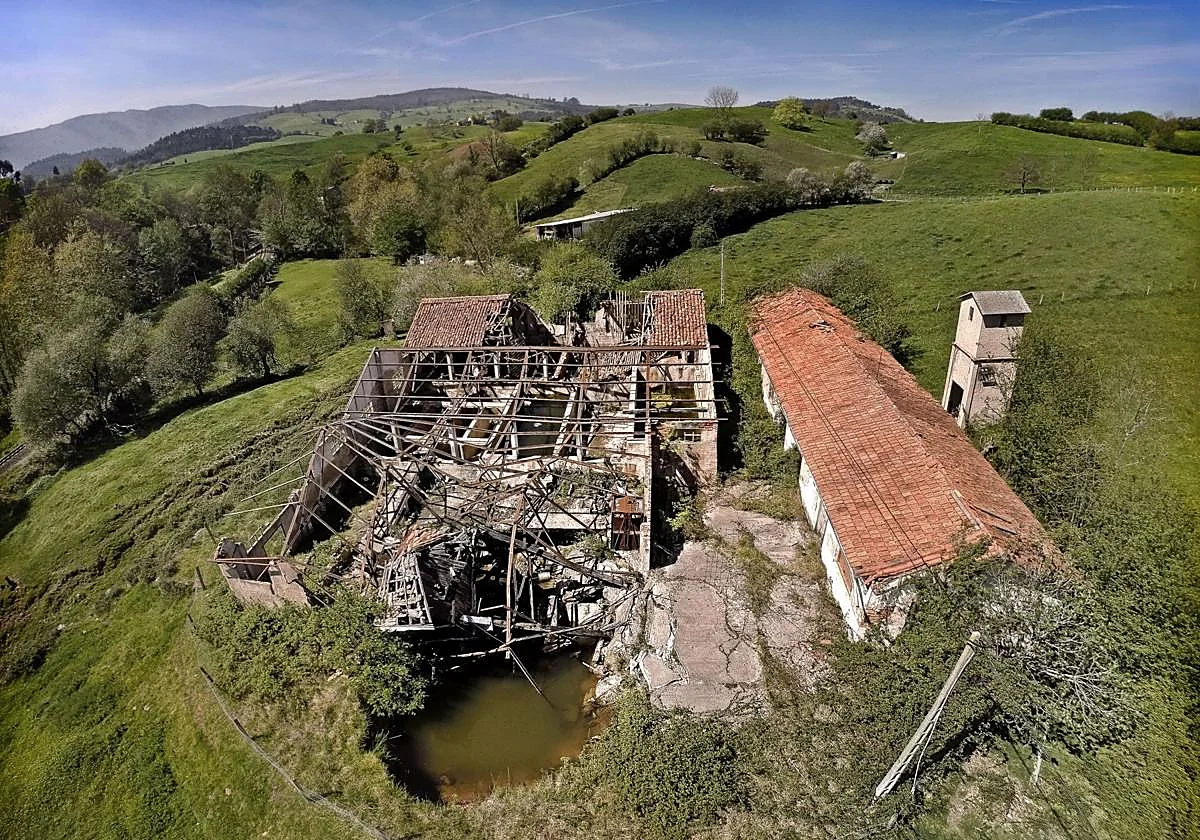
The remains on this site are evidence of an activity that shaped the economy and identity of the municipality. The plot therefore has industrial and historical significance. The presence of ruins does not mean there is a prepared visitor route, an operating interpretation centre or permission to enter.
What the proposal includes
The preliminary design presented by the Town Council in December 2025 proposed an interpretation space beside the road to the cemetery, on a municipal plot of about 1,400 m² containing remains of the former complex. Reports published at the time said the idea was to restore two buildings and add a new volume between them. Plans mentioned documenting the salt-making trade and residents’ oral memories, adding digital content and a historical scale model, and providing a multi-purpose room and green space. These are elements of an initial proposal, not facilities that have been built or services currently available.
The presentation gave an initial estimated investment of between four and five million euros. This was an early forecast, not a final budget or approved funding. The Town Council said it intended to seek European grants if the preliminary studies allowed the project to proceed.
Ground survey and project status
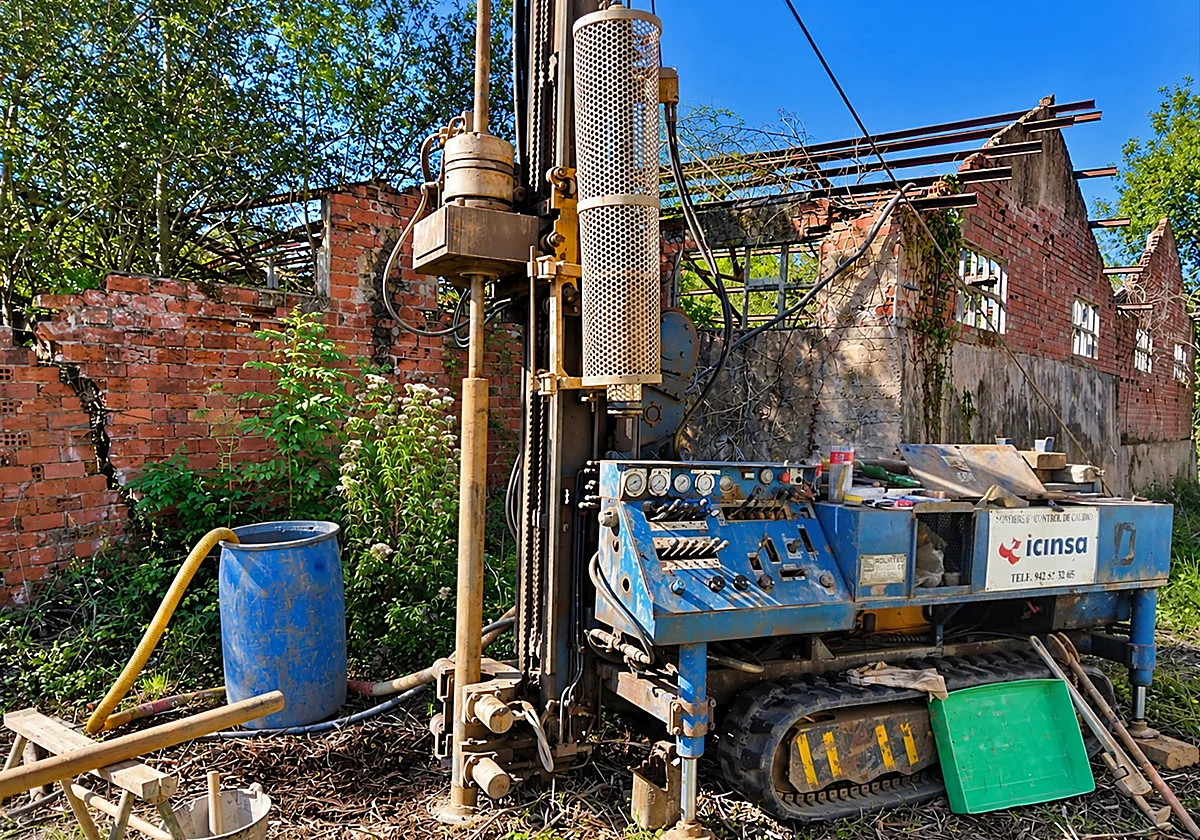
Information published in October 2026 describes an initial site investigation: boreholes to analyse the soil layers and measure ground movement. The Town Council commissioned the work from Icinsa following a tender process. At the time, the analysis and report assessing site stability were still pending. No later announcement has been located confirming the result, approval of a detailed construction project, funding or the start of building work.
The photograph of the borehole equipment and the aerial view show the site associated with the proposal; they do not document a completed museum. The project remains a cultural heritage initiative, but its development depends on the technical reports, preparation of a full project and the necessary funding.
Visitor information
The planned museum is not open, and no opening hours, admission prices or booking arrangements have been published. There is also no confirmed visitor route to the ruins. Do not plan an interior visit or cross barriers and signs; contact the Town Council before approaching the site. This page distinguishes the proposal from museums in Cabezón de la Sal that are open to visitors.
Salt and the history of the town
The Tresano well is part of the mining history that gave Cabezón de la Sal its name. Explore more of the town’s and municipality’s heritage.
Return to Cabezón de la Sal ES or explore the whole municipality of Cabezón de la Sal.
Sources: Consult source ↗, Consult source ↗, Consult source ↗ and Consult source ↗.