Selaya municipality, Cantabria
Four villages between the Pisueña valley and the Pasiegos mountains
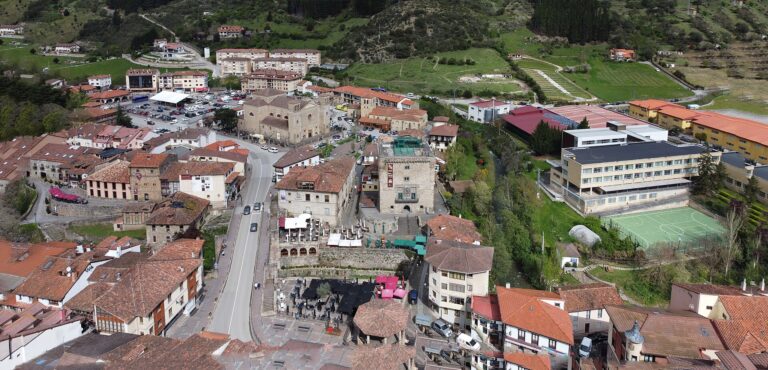
Selaya lies at the head of the Pisueña valley, where the valley landscape gives way to the livestock hillsides of the Pasiegos Mountains. The municipality comprises four settlements: Selaya, the municipal capital, Bustantegua, Campillo and Pisueña. Spain’s National Statistics Institute (INE) is the reference for names and population by unit; we avoid repeating old figures that still circulate on tourism pages.
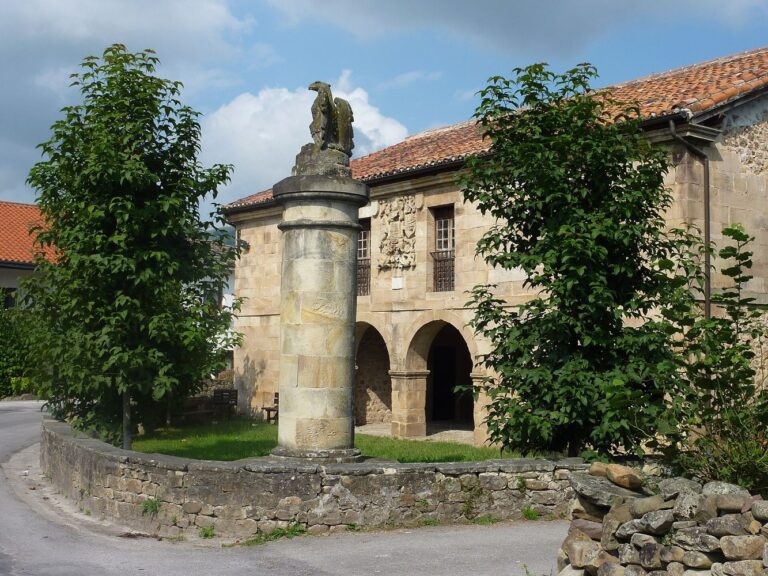
Selaya’s architecture is notable for palaces and manor houses with ornate gateways, coats of arms, courtyards and stone towers. The Town Council documents twelve stone towers and a heraldic column designated as Assets of Cultural Interest in 2002; several belong to private properties, and heritage protection does not imply access to their interiors.
Religious heritage includes the parish church of San Juan Bautista, from the second half of the 17th century, and the sanctuary of Nuestra Señora de Valvanuz, dating from the late 17th century and preserving a 13th-century Gothic image. Small chapels and manor houses in different neighbourhoods add to these landmarks. Visit uses and limits are noted where documented; do not enter private land or closed churches.
The festivals of Nuestra Señora de Valvanuz and San Roque have had recent municipal programmes. Events, times and attendance arrangements vary by year: traditional dates do not replace the current programme. Villages are rural and spread out, so plan journeys and confirm openings and transport before setting off.
- Villages of Selaya
- What to see in Selaya
- Things to do in Selaya
- History and heritage of Selaya
- Nature and routes in Selaya
- Festivals and traditions in Selaya
- Food in Selaya
- Places to stay in Selaya
- Plan your visit to Selaya
Sources: Consult source ↗, Consult source ↗, Consult source ↗, Consult source ↗ and Consult source ↗.