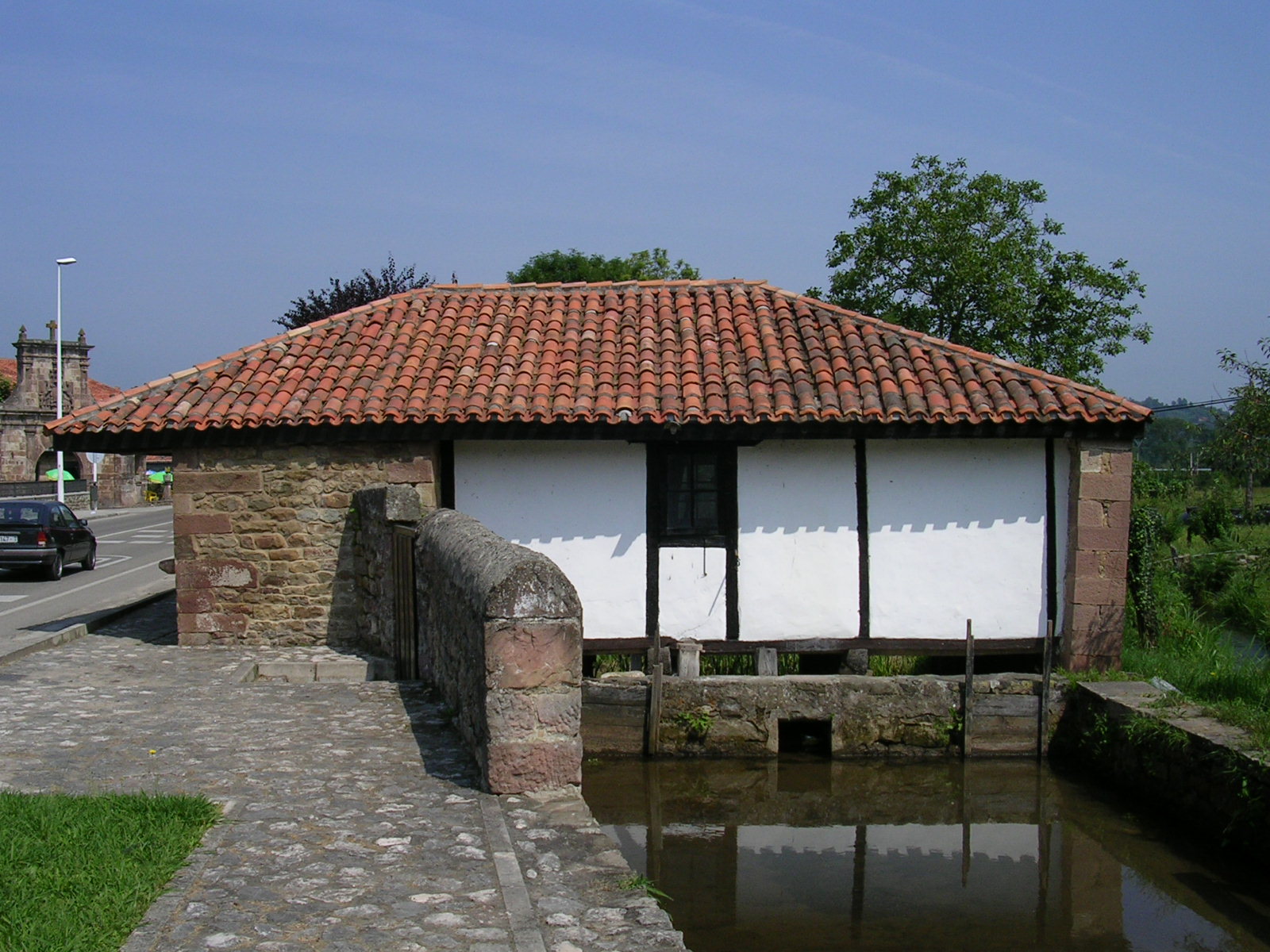
A water-powered flour mill with a dam, tailrace and some of its milling machinery still preserved.
Essential information
| Locality | Carrejo |
|---|---|
| Municipality | Cabezón de la Sal |
| Type | Heritage |
| Access | Exterior; check indoor visits |
History and details
The rectangular building has a hipped roof and walls of rubble and ashlar stone. Water is channelled by a dam to drive the machinery in the milling room; a side tailrace completes the system. The heritage record describes two millstones and a metal wheel, evidence of the work that turned grain into flour.
The mill has ethnographic value because it shows a direct relationship between water, energy and rural work. Local tourism information dates it to the eighteenth century and describes it as the municipality’s only operational mill, although municipal notices have reported closures for maintenance. Entry and operation should not be assumed.
Plan your visit
Check the municipal calendar for current condition and opening. If it is closed, view it only from public areas.
Access
Seeing the exterior does not mean the building or grounds are open to the public. Check their current use and respect private property.
Water, wheel and grain milling
Carrejo Flour Mill is a rectangular, hipped-roof watermill. Its significance lies in the connection between the stream, dam and machinery that converted the movement of water into power for milling grain. The tourism description mentions a pumping system, a milling room with two surviving millstones and a fully metal wheel. The complex includes the building, dam and side tailrace.
At a watermill, part of the stream is diverted to carry water to the mechanism. The drop and force of the flow turn a wheel; its movement is transmitted to millstones that grind cereal. The system requires control of the water, upkeep of channels and repairs to parts exposed to damp and wear. The local record identifies these components but does not document every stage of operation or the millers who worked here.
The mill is an ethnographic resource because it preserves a way of producing flour based on local resources and skills passed between generations. Milling linked harvests with storage, food and household economies. It also depended on water management, agreements between users and regular maintenance to keep the machinery working.
A heritage site in Carrejo
The mill is near Cos-Gayón Manor House and is associated with the family’s historic properties, but it should now be understood as a heritage site in its own right. Carrejo’s landscape combines manor houses, paths, meadows and the Saja riverbank. The setting connects the built heritage with the water that powered the machinery.
Municipal tourism information calls it the only operational mill in Cabezón de la Sal, but its calendar has also announced maintenance closures. “Operational” does not necessarily mean open to visitors or working on the day of your visit. Check current notices and ask whether guided access is available; do not enter by the channel or neighbouring properties.
What to look for if visits are available
If a visit is authorised, follow the water from the dam to the tailrace and note how it connects to the wheel. In the milling room, compare the stones with the transmission system. A guide can explain which parts work and which remain as evidence of past use. Do not touch gears, gates or moving parts; apparently stopped machinery may be heavy or unstable.
If the site is closed, view the surroundings from public paths. The stream, dam and position of the building explain how the slope was used even without going inside. Do not cross the water, remove vegetation or move stones in the channel. Wet surfaces and flowing water can be hazardous, particularly after rain.
A cultural walk through nature
The mill can be combined with the Nature Museum, housed in the Palace of Los Haces, and the self-guided walk through Carrejo and Santibáñez. Museums may require reservations and have different opening days. The El Minchón riverside path offers another way to approach the Saja, subject to current river and trail conditions.
Plan first around venues with set entry times and leave the walk for the remaining time. Respect homes, bowling greens and fields. Do not park in front of the mill if you would block a local route. On a guided visit, follow staff instructions and keep children away from the water and machinery.
A record of the local economy
The mill helps explain how rural communities used energy before electricity became widespread. Water was more than scenery: it was channelled, shared and turned into work. Grinding grain into flour formed part of everyday life and local exchange. This guide does not assign unsupported dates or owners; it describes the building through its type and the heritage information published by the municipality.
The building needs ongoing maintenance because water can damage masonry, timber and metal. Works may restrict access for extended periods. If the calendar reports a closure, Carrejo still offers manor houses, walks and the museum when open. Keeping access information current helps avoid unnecessary trips and protects the site.
More to see in Carrejo
This page is part of the Carrejo guide, with other places, routes and celebrations associated with the village.
Return to Carrejo, a village in Cabezón de la Sal or explore Cabezón de la Sal, a valley to explore village by village.
Sources: View source ↗ and View source ↗.