El Pendo Cave
El Pendo preserves an important Palaeolithic archaeological site and a painted frieze discovered in 1997, with images of female deer and other animals. The cave is part of the UNESCO World Heritage property of Palaeolithic cave art in northern Spain. Its excavated deposits document a long sequence of human occupation.
El Pendo at a glance
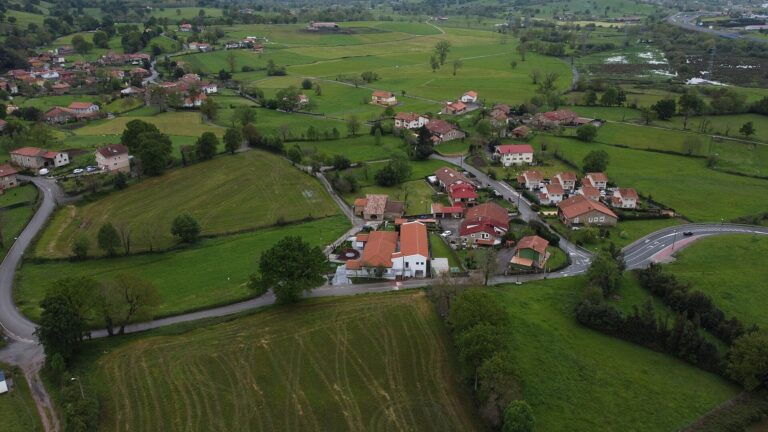
| Locality | El Churi neighbourhood, Escobedo de Camargo |
|---|---|
| What makes it special | A long archaeological sequence and the Paintings Frieze, a large panel of red Palaeolithic figures |
| Research | First scientific excavations in 1878; the frieze was identified in 1997 |
| Protection | Part of the UNESCO World Heritage property “Cave of Altamira and Palaeolithic Cave Art of Northern Spain” |
| Visit | Guided, with limited capacity and an admission ticket; advance booking is advisable |
A cave important for much more than its paintings
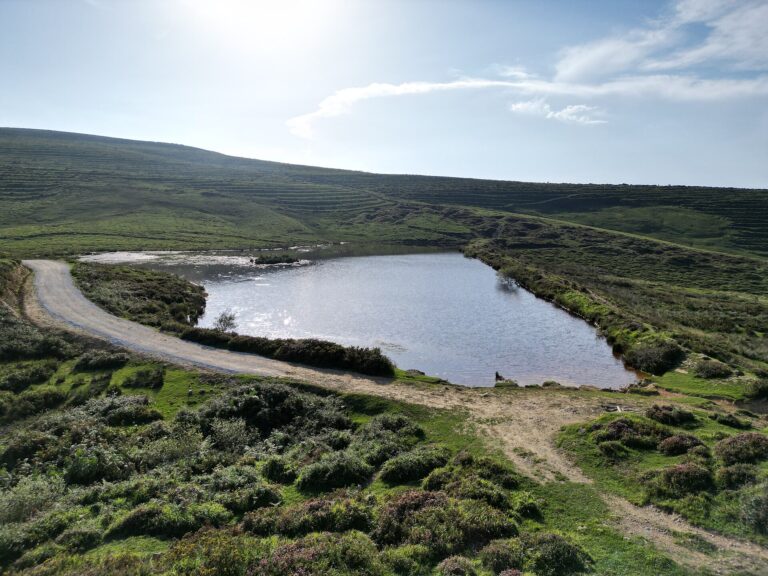
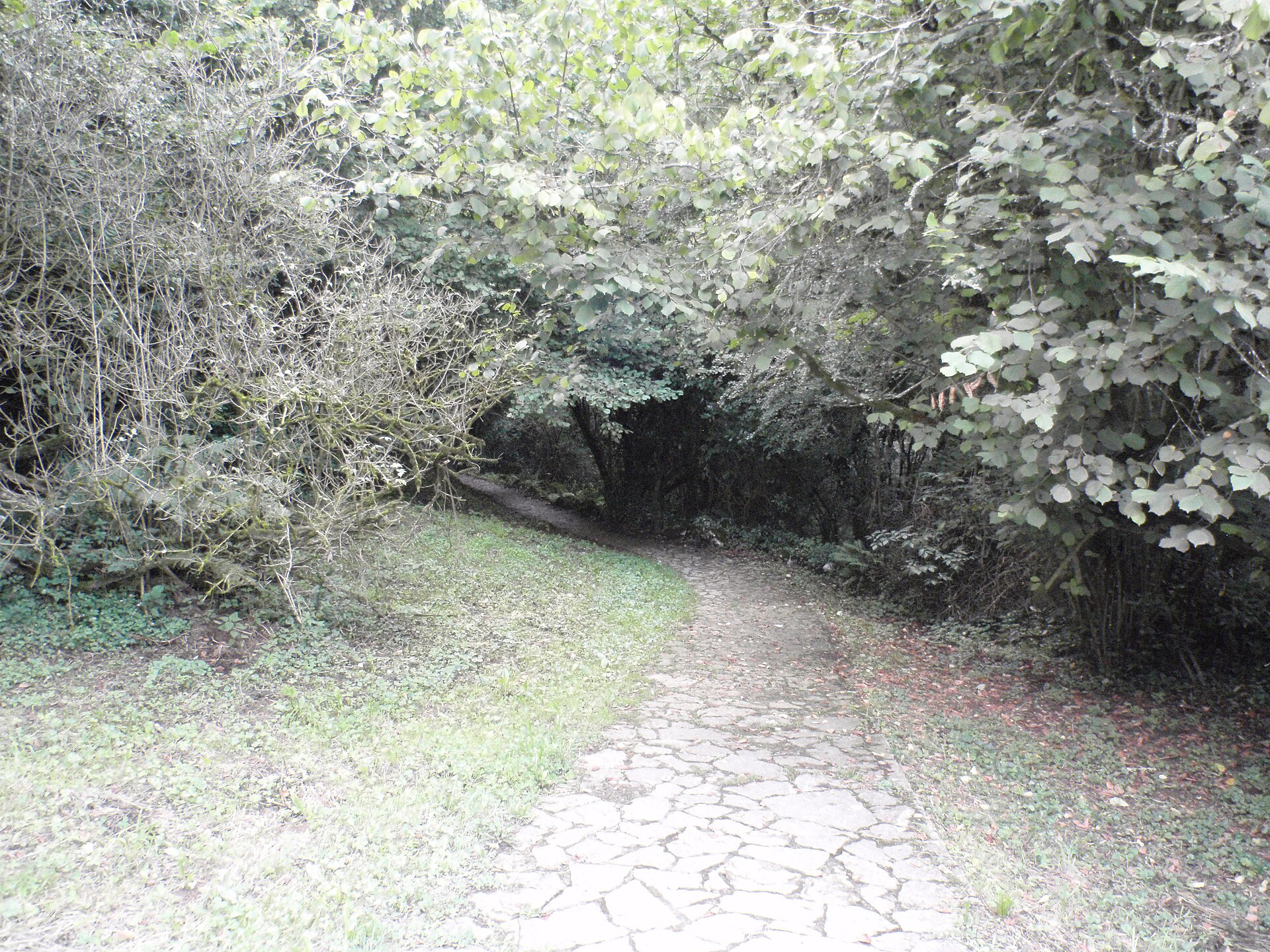
El Pendo opens in a hollow in the limestone landscape near Escobedo. Its entrance leads to a broad vestibule and a large descending chamber. This space offered shelter and supported human activity in very different periods. The cave should therefore not be understood only as a decorated gallery: its deposits preserve tools, traces of occupation and objects that help researchers study the daily lives of prehistoric communities.
Research has documented levels associated with both Neanderthals and Homo sapiens. The sequence begins in the Middle Palaeolithic and continues into the Upper Palaeolithic; later funerary and ritual uses in the Bronze Age have also been identified. The precise dates of each phase depend on the layer and the dating method. It is more accurate to speak of a long history of successive occupations than to assign the whole cave to a single period.
The Paintings Frieze: what to look for
El Pendo’s best-known feature is a rock face about 25 metres long. The painted figures occupy only part of it, inside the large chamber. Female deer predominate; a horse, a goat and signs have also been identified. The red pigment, dotted outlines and use of the rock’s natural shapes are key details to notice.
The frieze was identified in 1997, although the cave had been studied for more than a century. El Pendo therefore has two distinct milestones: archaeological knowledge of the site and the later recognition of its monumental paintings. The proposed stylistic chronology places the group in an early phase of the Upper Palaeolithic, but an exact date for every figure cannot be treated as settled.
Two bird engravings, found in the early twentieth century, were already known in a deeper area. They are distinct from the red paintings of the large frieze. The cave has also yielded portable art, including the objects known as perforated batons. Here, “portable art” means decorated objects that could be carried, as opposed to figures made on the cave wall.
How El Pendo was investigated
Marcelino Sanz de Sautuola began its scientific study in 1878. Hermilio Alcalde del Río and Jesús Carballo were among the researchers who followed. Excavations in the first half of the twentieth century revealed a substantial stratigraphic sequence: layers stacked over one another that help order human occupations and changes through time.
Research did not end with those early discoveries. Later work on the oldest levels and on conservation led to the identification of the frieze in 1997. These processes should be kept distinct: discovering paintings is not the same as excavating the whole cave, and scientific interpretations can be refined through new analysis.
Why El Pendo is on the UNESCO List
El Pendo forms part of a World Heritage property shared by several caves in northern Spain. UNESCO recognises the outstanding value of the Palaeolithic art preserved across the group. The designation applies to the property as a whole: El Pendo is one of its component sites, not a separately inscribed property.
That recognition also brings practical responsibilities. Limits on visitor numbers per session, movement inside the cave and the guide’s instructions help protect the paintings and archaeological deposits. Visitors must follow the authorised route.
Plan your visit
The guided visit lasts about 45 minutes. The official service limits places per session, recommends buying tickets in advance and asks visitors to arrive at the reception centre before their booked time. Timetables, prices and capacity change by season, so check the current timetable and ticket information ↗ rather than relying on a remembered price or session.
Wear comfortable, non-slip footwear and bring a warm layer. Do not touch the surfaces. The official visitor centre lists a reception point, parking, toilets and guided visits. Check the full visitor conditions ↗ if you have particular mobility needs or are travelling as a group.
Frequently asked questions
Can I visit without a guide?
No. Tourist access is guided and places are limited. Availability and booking information are published by the official Caves of Cantabria service.
Were all the paintings made at the same time?
That should not be assumed. The engravings in the deeper area and the large group of red figures are separate sets. Dating remains a research question even within the frieze, although its visual unity allows relationships between figures to be studied.
What else can I see in Escobedo?
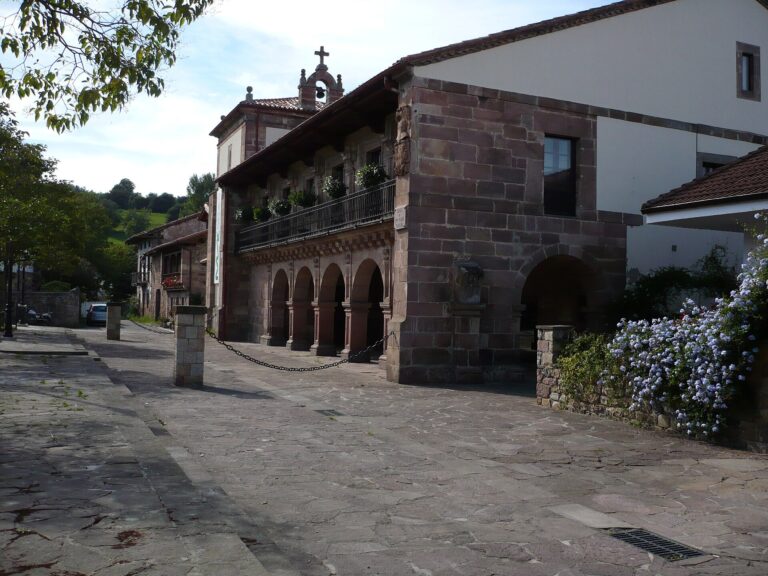
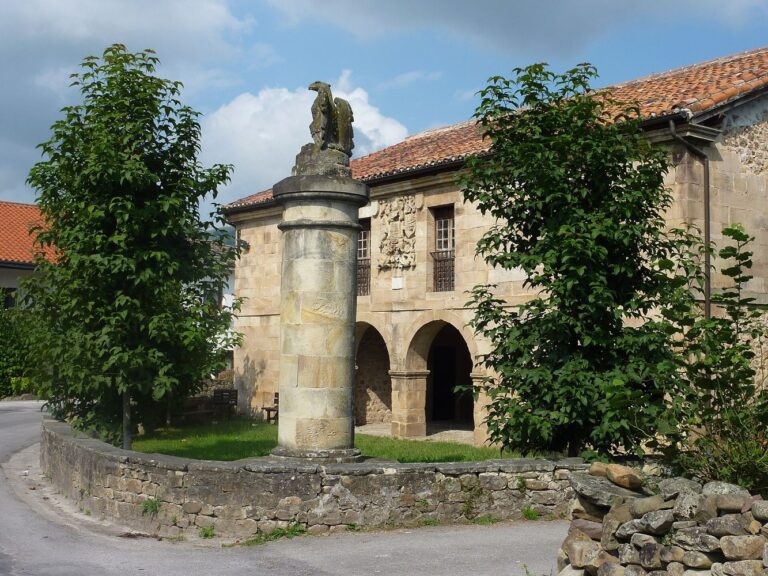
The Church of San Pedro and the medieval necropolis reveal other periods of local history. The Hermitage of San Pantaleón is associated with a traditional pilgrimage.
Sources for further reading: Caves of Cantabria: history, art and archaeology ↗ and the UNESCO World Heritage property record ↗.
Before you go
Visits take place in guided groups with limited capacity. Check the official Caves of Cantabria portal for current times, prices and reservations.
More in Escobedo
- Church of San Pedro in Escobedo
- Medieval necropolis of San Pedro
- Castle of El Collado ES
- Hermitage of the Holy Cross (Spanish page) ES
This place belongs to Escobedo, in the municipality of Camargo.
Source: Caves of Cantabria ↗.