Ceruti Castle in Suances: Baron Florencio Ceruti and its history
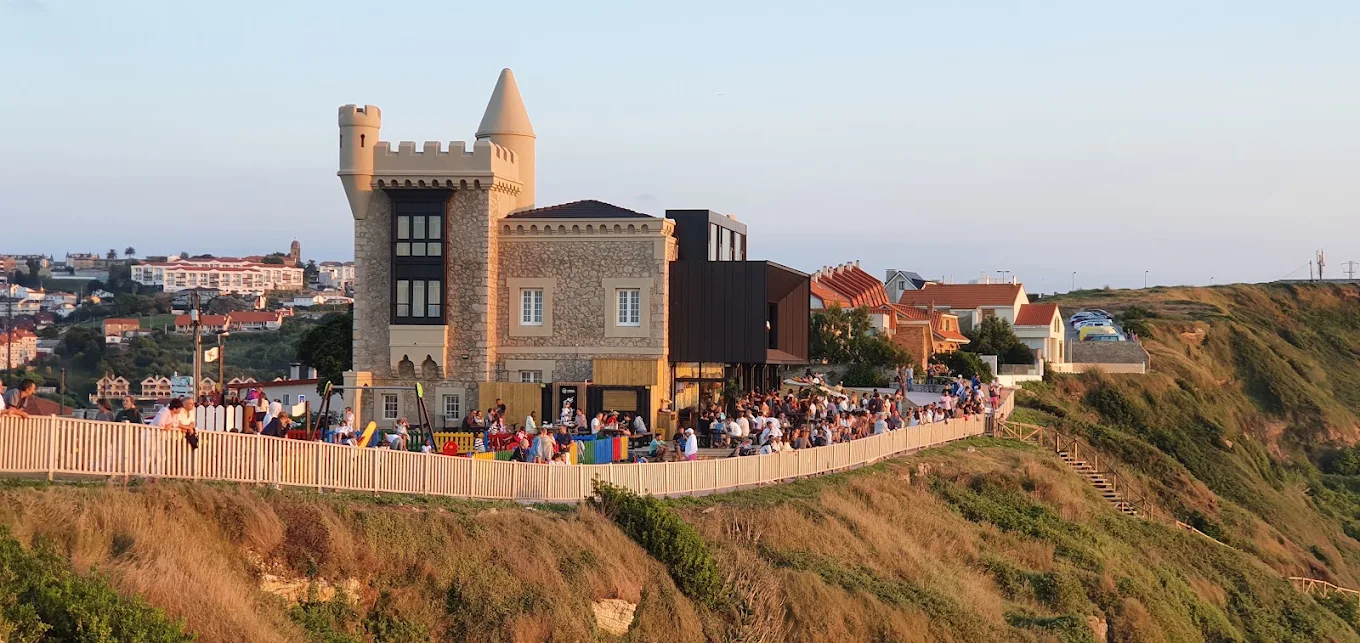
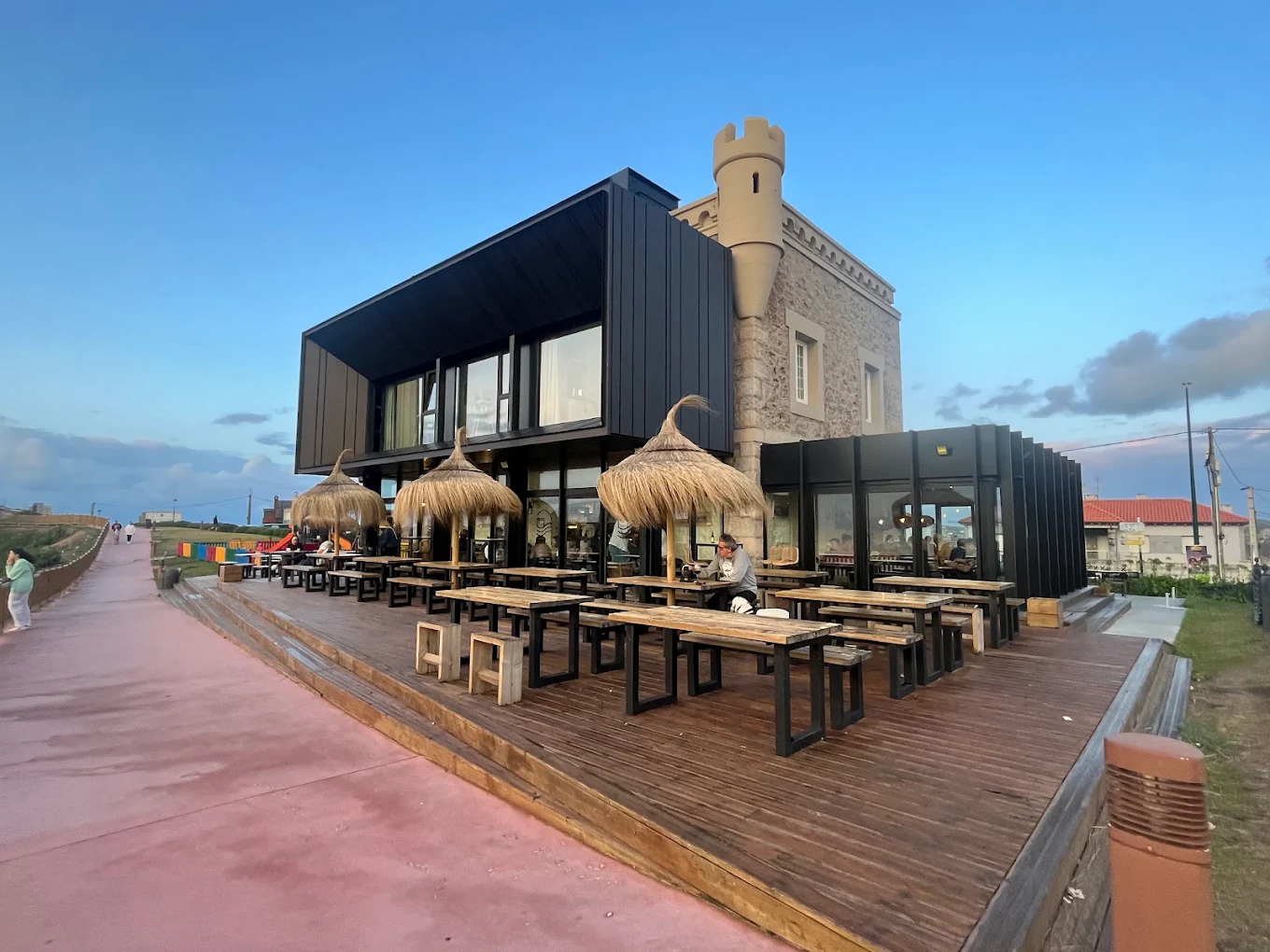
Above the cliff between Los Locos beach and La Concha, a battlemented silhouette seems to watch the Cantabrian Sea. It looks medieval, but the story is more recent and more personal. This is an early-20th-century historicist residence commissioned by a man who was mayor, member of parliament, journalist, poet and playwright—and who eventually died inside the house.
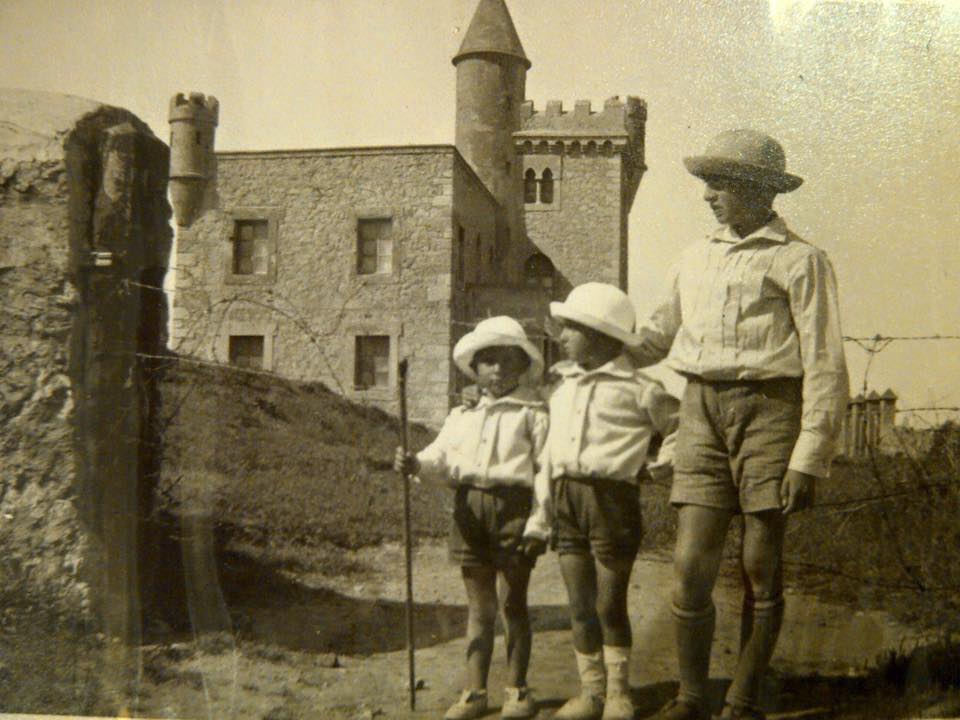
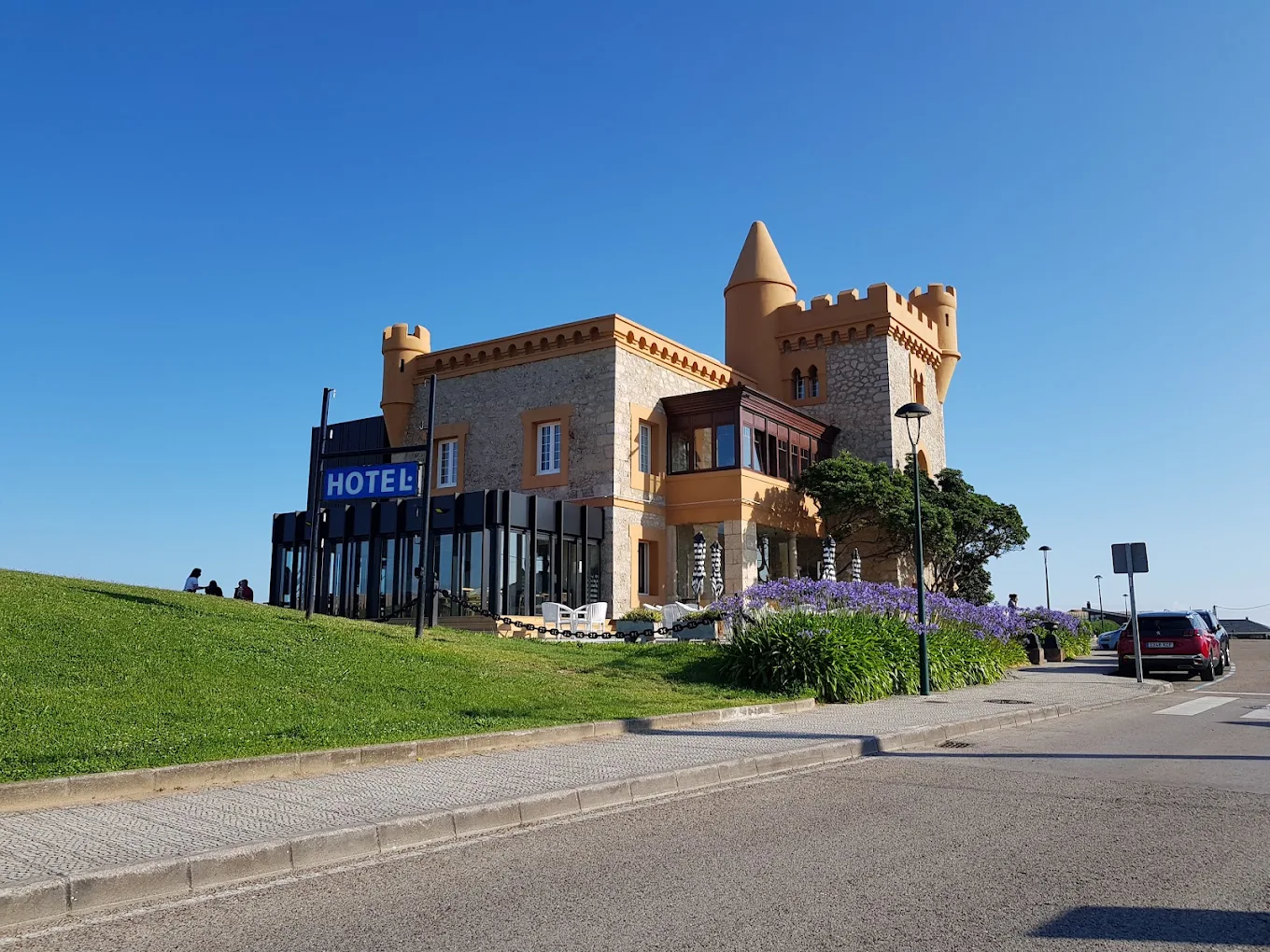
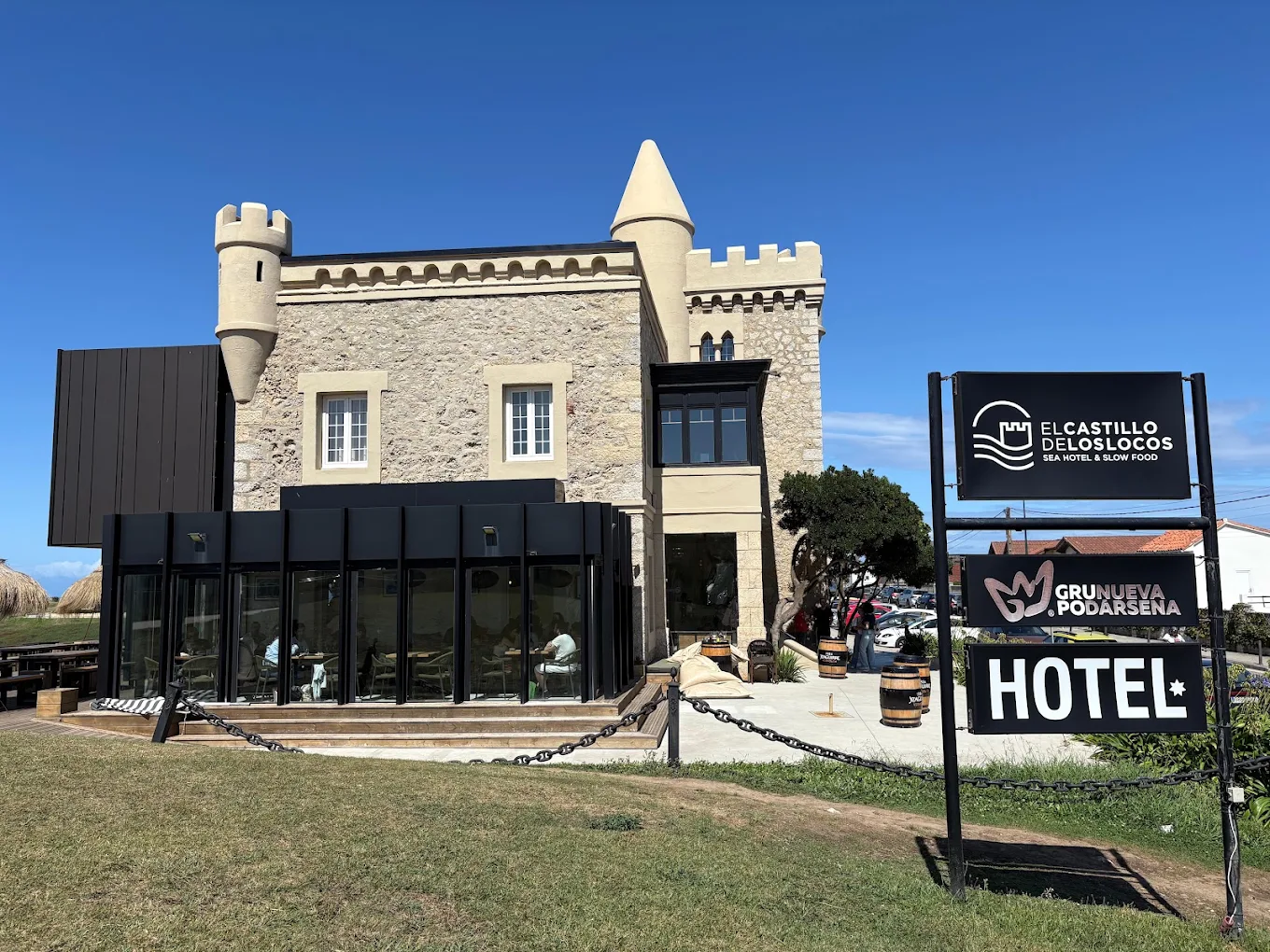
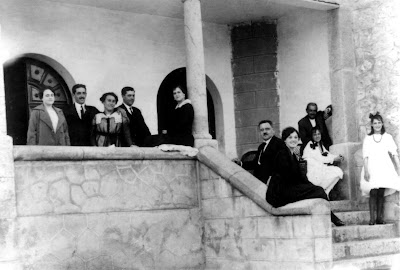
First, it is not a medieval castle
The building was constructed around 1904, not in the Middle Ages. It is a historicist mansion that deliberately borrows the appearance of medieval military architecture, using ashlar and rubble stone. The design belongs to the late-19th- and early-20th-century fashion for romantic, neo-medieval houses commissioned by prosperous families.
That does not make it less interesting. It is a clear example of a particular architectural taste and a period when the coast was becoming a summer destination. But anyone expecting 14th-century walls will be about six centuries out.
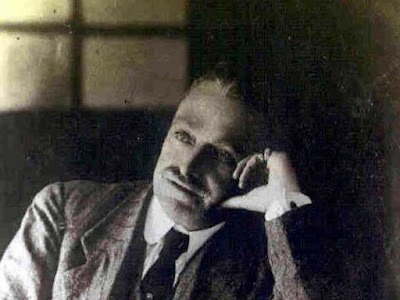
Florencio Ceruti, Baron of Peramola
The promoter was Florencio Ceruti y Castañeda, Baron of Peramola and Peracolls. His life merits more than a passing mention. He was born in Tarragona and became one of the most active public figures of Torrelavega at the turn of the 20th century.
Published biographical accounts disagree on his birth year. A biography hosted by the Menéndez Pelayo Library ↗ gives 29 September 1855. The Spanish-language entry for this castle gives 29 September 1859 and refers to a baptismal record dated 2 October 1859. Since the original parish record has not been independently checked here, the discrepancy remains unresolved; neither date should be presented as certain.
His father was a military officer from an Italian family. His mother, María de las Mercedes Castañeda Navarrete, came from Ganzo, now part of Torrelavega. Through her family he inherited the barony from an uncle and aunt who had no children.
Ceruti studied in Madrid and entered the Army Engineers Academy in 1876, leaving in 1880 to study public finance. He later worked as an administrator of taxes and revenue in Cuenca, Teruel and Santander. In Torrelavega he served as mayor three times: from August 1901 to January 1904, from August 1905 to February 1907, and from November 1909 to January 1914. In 1915 he was elected to the Spanish parliament for the Torrelavega–Villacarriedo district.
Projects associated with his mayoral terms included bringing water from Cohicillos to Torrelavega, with running water reaching the town in 1907; creating the Chamber of Commerce and Industry; introducing postal money orders; repairing the Ganzo bridge; and improving sanitation in the Sorravides River.
The mayor who wrote songs and plays
Ceruti was also a journalist and writer. He worked for El Tiempo in Madrid and La Verdad in San Sebastián, then founded and edited the weekly El Liberal Montañés from 1897 to 1903. He published poetry and wrote plays, including Don Dinero, Santander en cosmorama and La suerte manda o la cosa es pasar el rato, which premiered on 28 June 1914.
He also wrote the lyrics of “Al pie de tu ventana”, set to music by Lucio Mediavilla. The song became popular in Portugal and Chile. The man behind this castle also wrote a song that crossed the Atlantic.
Why the date “1904” needs a little precision
It is sometimes said that Ceruti had the castle built “while he was mayor of Torrelavega”. The dates call for care: his first term ended on 1 January 1904 and his second did not begin until August 1905. If construction began around 1904, it fell between those two terms.
No architect has been identified, and no building date more precise than “around 1904” has been confirmed in the material consulted. It is accurate to say that the house was commissioned by a man who had served as mayor; it is not accurate to claim that he commissioned it during a particular mayoral term.
He died in the house he had built
Florencio Ceruti died in the castle on 7 September 1924, aged 64. He was buried in Geloria cemetery in Torrelavega. The barony remained vacant until it was revived in 1952 in favour of Florencio Ceruti y Pérez-Venero.
The builder’s death inside his own architectural project, around twenty years after it was built, adds a human layer to a house whose battlements were always an imitation.
From private residence to hotel
After Ceruti’s death and the passage of time, the house ceased to be a private residence. It was restored and converted into a hotel in 1987, underwent another restoration in 2003, and received further works around 2020. That last intervention is attributed to Santander studio MMIT Arquitectos in one source; because the attribution rests on a single reference, it should be treated cautiously.
Today the building operates as Hotel El Castillo de los Locos, at 141 Calle de Acacio Gutiérrez. It has a restaurant and café and direct access to Los Locos beach. Prices and opening times change with the season, so check with the establishment before making plans.
How to see the castle
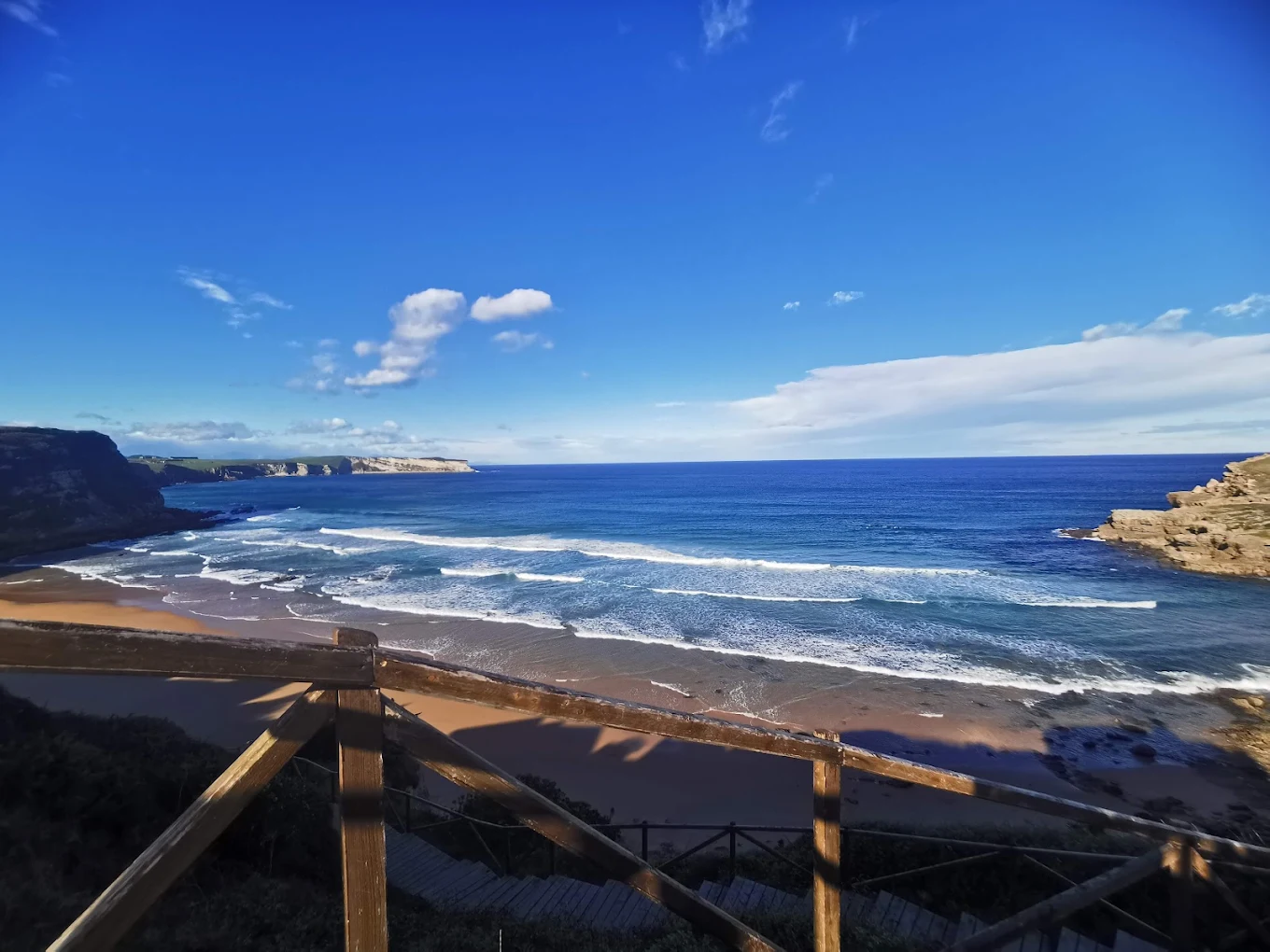
The building is private. Interior access is for hotel guests or customers of its café and restaurant; it is not a public monument with regular tours. The exterior can be viewed freely from public areas, especially from Los Locos beach and the upper promenade, where the building stands against the cliff and sea. At sunset, the warm light makes it one of Suances’ most photographed landmarks.
Frequently asked questions
Is Ceruti Castle medieval?
No. It was built around 1904 as a historicist residence that imitates medieval military architecture.
Who commissioned it?
Florencio Ceruti y Castañeda, Baron of Peramola and Peracolls, who served three times as mayor of Torrelavega and was elected to parliament in 1915.
Can visitors go inside?
The castle is now a private hotel. Interior access is for guests or customers of the hotel’s café and restaurant. The exterior can be seen from public spaces.
Is Ceruti Castle the same as El Castillo de los Locos?
Yes. It is the same building, now commercially known as Hotel El Castillo de los Locos.
Where is it?
On the cliff between Los Locos beach and La Concha, at 141 Calle de Acacio Gutiérrez in Suances.
Did the baron die there?
Yes. Florencio Ceruti died in the house on 7 September 1924 and was buried at Geloria cemetery in Torrelavega.
Who designed it?
The architect has not been identified. The available account gives an approximate construction date of around 1904.
What to see nearby
The castle stands among Suances’ best-known coastal viewpoints. Below it is Los Locos beach; the long curve of La Concha lies on the other side. Follow the headland towards the Suances Lighthouse, Punta del Dichoso and El Torco, the 17th-century coastal defence that really did have a military role. The Quinta del Amo is another notable residence inland. The Suances heritage guide connects these places into a broader route.