Polaciones municipality › Puente Pumar ES › Rectory House or Archbishop’s House
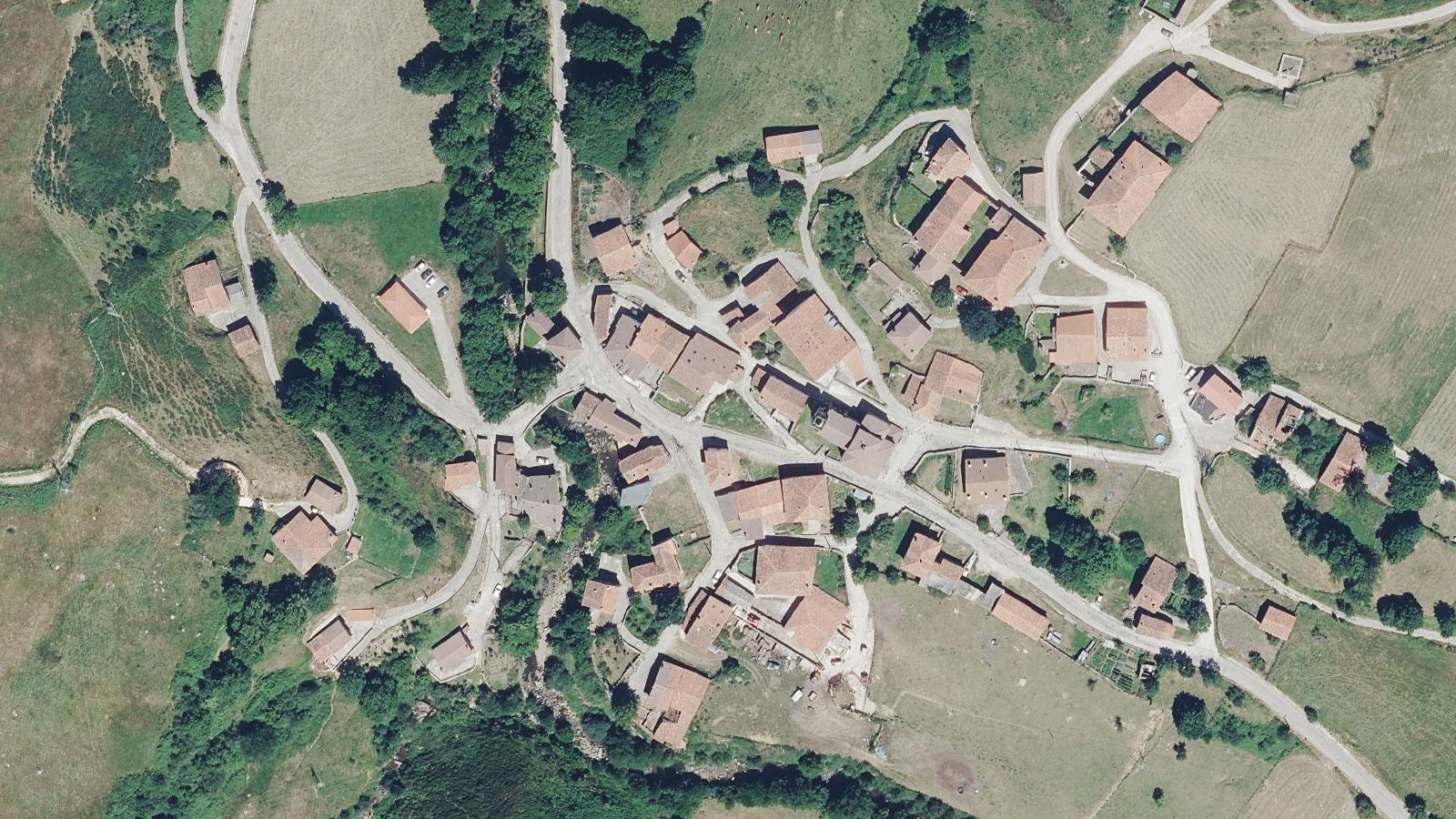
The historic house in Puente Pumar is known by several names: the Rectory House, the Archbishop’s House and the Coronela House. These names refer to the same manor, not three separate buildings. An old web page incorrectly dated it to 1971; this guide does not repeat that date. The documented architectural description points instead to a two-storey stone building with three semicircular arches on the lower level and a projecting string course.
Key facts
| Place | Puente Pumar |
|---|---|
| Municipality | Polaciones |
| Type | Civil architecture; historic manor house |
| Access | Exterior from a public street; present use and opening unconfirmed |
History and architectural details
The names attached to the house reflect local use and interpretation. The archived description on the website links its history with the Church of the Nativity and says that it later passed to public institutions. That account is a useful lead, but a fuller heritage record would be needed to reconstruct each change of ownership and use with certainty.
The façade is described as having two floors, with a lower arcade of three semicircular arches and a projecting horizontal string course. Its scale and stonework distinguish it within the village, while its position among neighbouring houses makes it part of Puente Pumar’s built landscape. No exact construction year is asserted here.
An older page said the house accommodated a reception centre for the Saja-Nansa Ecomuseum and operated as lodging. Neither service has been confirmed as active in 2026. Treat them as historical uses mentioned by the old page, and check with the municipal or local managers before travelling in the expectation of an opening or overnight stay.
Preparing a visit
Plan to view the exterior from a public street. Current use and opening arrangements have not been confirmed. Puente Pumar is in a mountain setting; check the forecast, road conditions and a current map, and allow time for narrow roads.
Access and respectful viewing
Seeing the façade from outside does not mean the building is open to visitors. Do not enter its courtyard or any private interior without explicit permission. A former restoration, an arcade or a reference to an Ecomuseum does not by itself make a house a public museum. If you need to know whether access is possible, contact the owner or responsible local organisation in advance and accept that it may not be available.
How to read the building
Start with the setting: Puente Pumar sits on sloping mountain terrain, and its houses are understood alongside lanes, meadows and streams. Observe how the façade relates to neighbouring buildings, the change in street level and the direction of the entrances. These features show practical ways the house meets its site, but they cannot date each part or establish a complete ownership history.
The most legible elements are the two-storey elevation, three round arches and projecting string course. Look at the rhythm of the arcade and how the upper wall rests above it. The setting among other homes matters as much as the façade: this is a historic residence embedded in an inhabited village, not an isolated monument.
Materials, phases and changes
Rural buildings often preserve materials and repairs from different periods. Rubble masonry, ashlar, timber, roof coverings and openings may belong to distinct campaigns. No recent measured survey has been found that dates each wall or explains the complete building sequence of this house. Its older description is retained as an attributed account, rather than turned into a technical conclusion.
The previously published date of 1971 was incorrect and is not used. The available description supports the architectural features listed above, but not an exact construction year. Likewise, the account of links with the church and subsequent public ownership should be verified against a more complete archival record before assigning dates or legal details to each transition.
Local life and memory
A historic manor is part of a lived settlement. Puente Pumar’s story is linked with farming, religious life, work and movement between villages. Local names such as “Archbishop’s House” or “Coronela House” preserve ways in which residents have identified the building, but a name alone does not prove a particular owner or title.
Homes and places of worship in the village continue to serve everyday needs. Give residents priority, keep entrances clear and avoid photographing through windows. Heritage interest should not interfere with private life or access to homes.
What can visitors see?
From the public way, visitors can observe the volume, stone façade, two levels, three lower arches and projecting string course. No current public opening, interior visit, admission system or guided tour has been verified. Do not enter a private courtyard, chapel or home without permission.
The former Ecomuseum reception-centre and lodging uses are mentioned in older web material, but their continuation has not been confirmed. Check directly with the local authority or current manager if those services are important to your plans.
Including the house in an itinerary
The house can be combined with other heritage stops in Puente Pumar, including the Church of the Nativity and the Houses of the Colonels. Group nearby places and leave time for mountain roads. Before departure, check weather, roadworks and possible ice; do not cross fields or private property to shorten a route. No opening hours, ticket prices or parking facilities are listed without a current source.
What is known and what remains to be checked?
The historic address is retained so older links continue to reach the updated guide. The local names, visible architectural description, former uses and present-day access are separate questions. The old 1971 date was wrong. The former Ecomuseum reception-centre and lodging claims have not been verified as current services, and the archived account of ownership changes needs fuller documentary support.
No current opening, guided visit or legal heritage category is inferred. Confirm current use with the relevant owner or authority before travelling. If a new official inventory or conservation study becomes available, it should be used to refine the building’s chronology and status.
Architecture and village context
The house is part of Puente Pumar’s inhabited streetscape. Stonework and arches can be appreciated from public space, but they do not reveal every stage of ownership or use. Keep public paths clear, do not lean equipment against the masonry and avoid looking through windows. A short, considerate stop allows visitors to notice the architecture without disrupting residents.
More to see in Puente Pumar
This guide is part of the Puente Pumar locality guide, which brings together other places and routes in the village.
Return to Puente Pumar ES or Polaciones municipality.
Sources: Consult source ↗ and Consult source ↗.