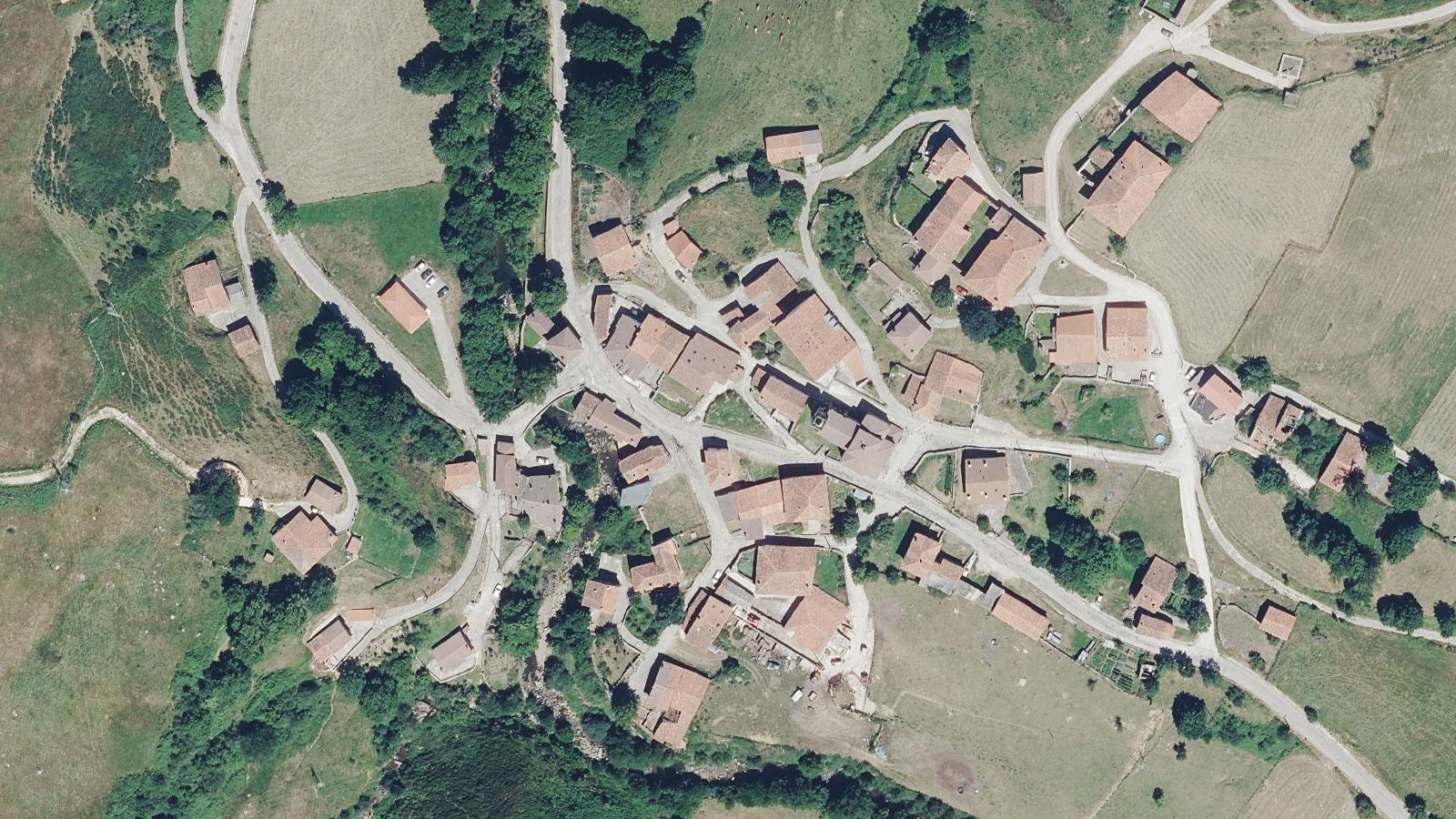
The Nativity parish church stands in Puente Pumar and forms part of the village’s historic setting, together with its manor houses. The municipal information dates its construction to between 1764 and 1781 and associates it with the patronage of Pedro de Terán. This is the chronology published by the council, rather than a complete archaeological reading of every building phase.
Essential information
| Place | Puente Pumar |
|---|---|
| Municipality | Polaciones |
| Type | Religious heritage |
| Access | From public spaces |
History and details
The local description notes a Latin-cross plan, a dome over the crossing, and masonry walls reinforced with ashlar. The church’s elevated position provides a useful reference for understanding how the village was organised around its parish church, principal houses and passing routes.
The story of patronage by an emigrant to the Americas forms part of the transformation of mountain communities: migration, the return of capital and the construction of prestigious buildings came together in the 18th century. Local tourism sources link the project to Pedro de Terán, but that does not mean every part of the building belongs to a single construction campaign.
The church remains a place of worship. Entry to the interior is not guaranteed; contact the parish and avoid disrupting services or funerals.
Planning your visit
View the exterior from public space; access to the interior depends on the parish.
Access
Being able to view the exterior does not mean that the building or site is open to the public. Check its current use and respect private property.
How to read the building
Start by looking at the setting: Puente Pumar lies on mountainous terrain, and its houses are best understood alongside the paths, meadows and waterways. Before focusing on a date, notice how the façade relates to neighbouring houses, the slope of the street and the position of the entrances. These details help explain practical uses and changes in village life, although they are not enough to date the building. This guide distinguishes what a source describes from what would require a full architectural study.
Building phases, materials and alterations
Rural buildings often retain materials from different periods. Masonry, ashlar, timber, roofs and openings may reflect repairs or additions made at different times. The historical description of the Church of the Nativity of Our Lady in Puente Pumar is attributed to its sources because no recent survey has been found that dates each wall. A coat of arms, inscription or altarpiece can raise questions about patrons and uses, but cannot by itself prove the full family history associated with the property.
Local life and memory
A church or manor house is not an isolated monument. Its history is tied to the community that looks after it, the religious calendar, agricultural work and journeys between villages. Documented donations by emigrants show how family networks connected Polaciones with other places. A tradition repeated on tourism websites can be valuable local memory, but this guide does not present it as documentary fact without supporting evidence. In Puente Pumar, occupied homes and places of worship continue to serve everyday purposes that take priority during a visit.
What you can visit
Heritage value does not guarantee tourist access. For the Church of the Nativity of Our Lady in Puente Pumar, the stated access is from public space; entry to the interior depends on the parish. Do not enter courtyards, sacristies, private chapels or homes without permission. If you hope to see inside, ask the parish or property manager in advance and accept that access may depend on opening times, services, conservation work or staff availability. From the street, you can appreciate the building’s volume and its relationship with the village without disturbing worship or daily life.
Including it in your visit
This page is part of a guide organised by village. You can combine the Church of the Nativity of Our Lady in Puente Pumar with other places linked at the end of the page, but plan journeys by area and allow time for narrow roads. No opening hours, admission fees or parking details are given here unless a current source confirms them. Before setting out, check the forecast and whether there is roadwork or ice, and avoid planning a tight itinerary around a single stop. The municipal information and linked heritage sources provide starting points for checking for later changes.
What is established and what still needs checking
This guide retains the page’s historic address so that older links still lead to the updated information. It also distinguishes the building’s identification, dedication or local name, architectural description and legal status: these are separate facts and should not be conflated. When an older source gives a date, it is presented as the date published by that source; a later official decision takes precedence for legal status. No BIC designation, opening hours or guided visit is inferred. For further research, consult the references at the end of the page and check any access changes with local officials.
A visit connected to the community
The church should be understood as a building in use and a place of local memory, not as a museum with guaranteed opening hours. As you walk through Puente Pumar, view from the street how the church relates to the homes, any cemetery nearby and the terrain. Its dedication and traditional feast day help place it in the religious life of the village, but do not confirm a mass or celebration. Contact the parish in advance if you wish to see inside, and do not visit during funerals or private events. This guide keeps dates in the municipal calendar separate from events confirmed for a particular year; it also avoids assigning a parish’s population or property to a neighbourhood without census evidence. A short walk through the village can provide useful context, provided you respect homes and working access routes.
More to see in Puente Pumar
This page is part of the Puente Pumar guide, where you will find the other places, routes and celebrations associated with the village.
Return to Puente Pumar ES or to the guide to the whole municipality of Polaciones.
Source: View source ↗.