Polaciones municipality › Puente Pumar ES › Houses of the Colonels
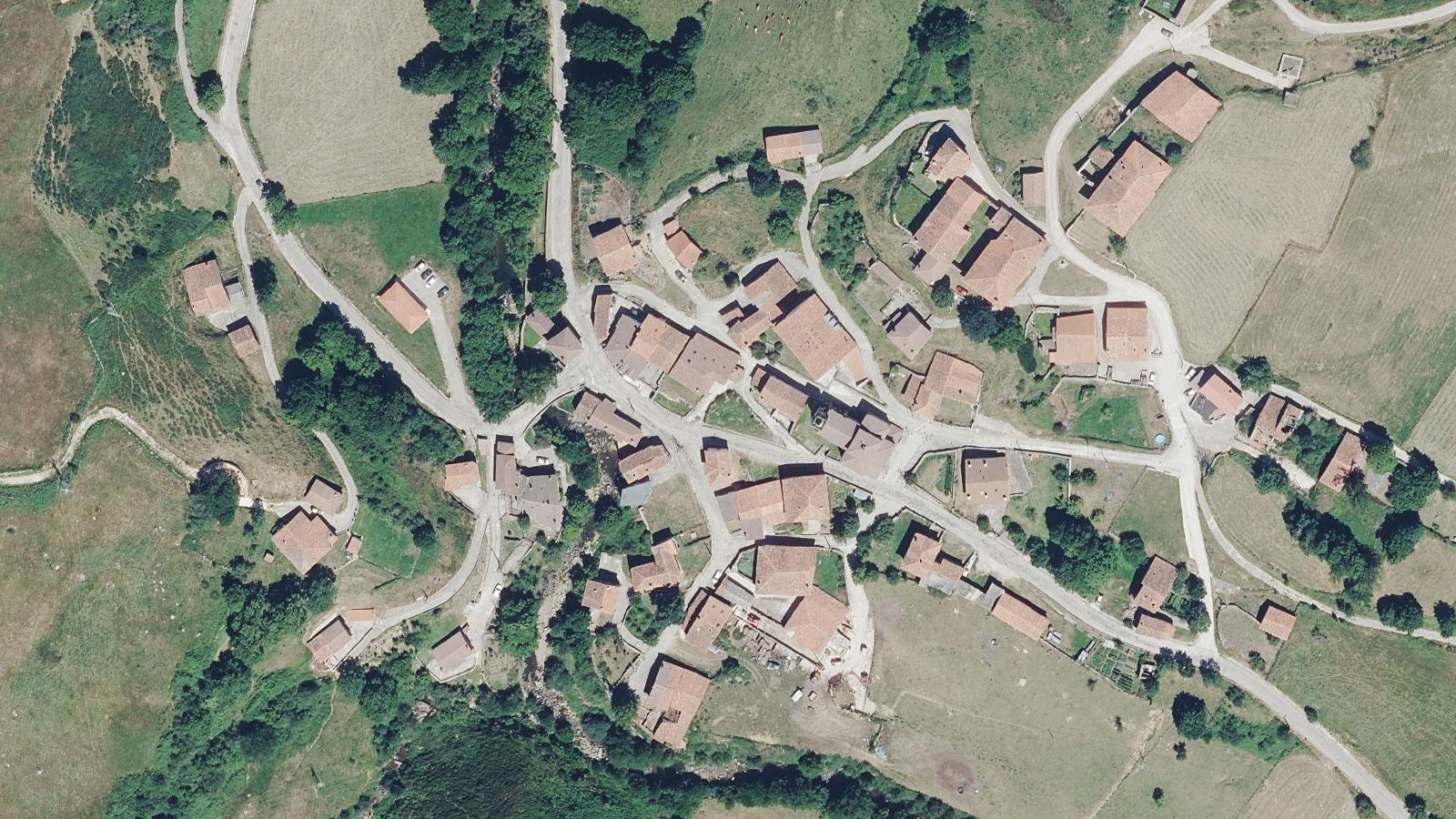
The historic URL refers to the two Houses of the Colonels in Puente Pumar. They are distinct buildings, not a single house. A regional heritage source also describes a third manor nearby, by the river, called the Inquisitor’s House; it should not be confused with the two Colonels’ houses. The two upper houses are dated to the late eighteenth century in that regional account.
Key facts
| Place | Puente Pumar |
|---|---|
| Municipality | Polaciones |
| Type | Civil architecture; two historic houses |
| Access | Private homes; exterior viewing from public space |
| Date in regional source | Late eighteenth century |
History and architectural details
The lower house stands out for its stonework, an eave above a broken moulding and Tuscan pilasters. The upper house retains a portal with a mixtilinear pediment and coats of arms associated in the description with Puente, Vélez, Alonso and Gómez. These different features explain why the plural name “Houses of the Colonels” is more precise than treating the group as one building.
The regional heritage entry dates the two houses to the late eighteenth century. This is the date reported by that source, not a recent measured survey of every wall. No detailed building-phase study has been located for this guide, so individual construction dates, architects and ownership transitions are not added by inference.
An older website page said one of the houses was an active reception centre for the Saja-Nansa Ecomuseum. That use has not been verified for 2026 and is not presented as a current visitor service. The exterior should be viewed from public streets, respecting the owners and residents.
The regional reference includes a third manor, the Inquisitor’s House, near the river. This guide does not create a separate page for it without a historical URL and sufficient research into its identity and access.
Preparing a visit
Both houses are private residences. Plan an exterior visit from public space; no interior access or current opening has been confirmed. Puente Pumar lies in a mountain landscape, so check the forecast and road conditions, use an up-to-date map and allow time for narrow roads.
Access and respectful viewing
An exterior view does not mean that a house is open to the public. Do not enter a courtyard, private chapel or home without explicit permission. An old reference to an Ecomuseum reception centre does not prove that the service still exists. If access or a current use matters to your plans, ask the owner or local authority beforehand and accept that a visit may not be available.
How to read the two houses
Begin with the village setting. Puente Pumar sits on sloping mountain terrain, among lanes, meadows and streams. Notice how each façade relates to neighbouring buildings, how the street level changes and where the entrances face. These details help visitors understand how the houses fit into the village, but they do not establish every construction phase or family relationship.
Compare the two buildings rather than blending their features. The lower house is described through its ashlar, broken moulding, projecting eave and Tuscan pilasters. The upper house is identified by its portal, mixtilinear pediment and heraldic shields. Their different façades are the clearest reason to treat them as two residences.
The heraldic names Puente, Vélez, Alonso and Gómez are retained as described by the regional source. A coat of arms can be a clue to patronage or family history, but it does not alone verify every owner, lineage or public title. Those claims require documentary and heraldic research.
Materials, phases and transformations
Historic rural houses often preserve materials and repairs from different periods. Masonry, ashlar, timber, roofs and openings may belong to separate building campaigns. No recent measured survey has been located that dates each wall of the two houses. The late eighteenth-century date is therefore attributed to the regional heritage account, rather than assigned independently to every architectural element.
The older Ecomuseum reference is another question of use, not proof of the houses’ present function. No active reception centre, guided visit, lodging or interior opening is confirmed. A future inventory or conservation study could clarify the chronology and ownership history.
Local life and memory
The houses are part of an inhabited village, not isolated museum objects. Puente Pumar’s history relates to farming, religious life, work and travel between mountain communities. Local names and family memories are valuable, but they should not be turned into documentary certainty without evidence.
These buildings remain private homes. Give residents priority, keep entrances clear and do not photograph through windows. A short stop from public space allows visitors to appreciate the architecture without interfering with daily life.
What can visitors see?
From public streets, visitors can compare the two façades and observe the details described by the regional source: the lower house’s stonework, moulding, eave and Tuscan pilasters; and the upper house’s portal, mixtilinear pediment and coats of arms. No public opening, admission, interior visit or guided tour has been verified.
The Inquisitor’s House is a separate nearby manor mentioned in the regional source, not a third Colonels’ house. Its identification and access need their own research; do not enter private property to look for it.
Including the houses in an itinerary
Combine the two houses with other heritage stops in Puente Pumar, such as the Rectory or Archbishop’s House and the Church of the Nativity. Group nearby places and leave time for narrow mountain roads. Check weather, roadworks and possible ice. Do not cross fields or private land to shorten a route. No opening times, prices or parking information is supplied without current evidence.
What is known and what remains to be checked?
The historic URL has been kept so existing links continue to work. The regional reference distinguishes two Houses of the Colonels from the nearby Inquisitor’s House and dates the two upper houses to the late eighteenth century. It describes different architectural details for each, including the coats of arms associated with Puente, Vélez, Alonso and Gómez.
The old claim that one house currently hosts the Ecomuseum reception centre has not been confirmed for 2026. No opening hours, guided visit, lodging or legal heritage category is inferred. Check the regional and municipal references below and contact the relevant owner or authority for current access information.
Architecture and village context
The two houses form part of Puente Pumar’s lived streetscape. Their stonework, portals and heraldry can be observed from public space, but do not prove a full genealogy or current service. Respect private ownership, do not lean equipment against walls, keep entrances clear and avoid looking through windows. A thoughtful exterior visit is enough to understand how the houses contribute to the village’s historic character.
More to see in Puente Pumar
This guide is part of the Puente Pumar locality guide, with other places and routes in the village.
- Rectory House or Archbishop’s House of Puente Pumar
- Church of the Nativity of Our Lady in Puente Pumar
Return to Puente Pumar ES or Polaciones municipality.
Sources: Consult source ↗ and Consult source ↗.