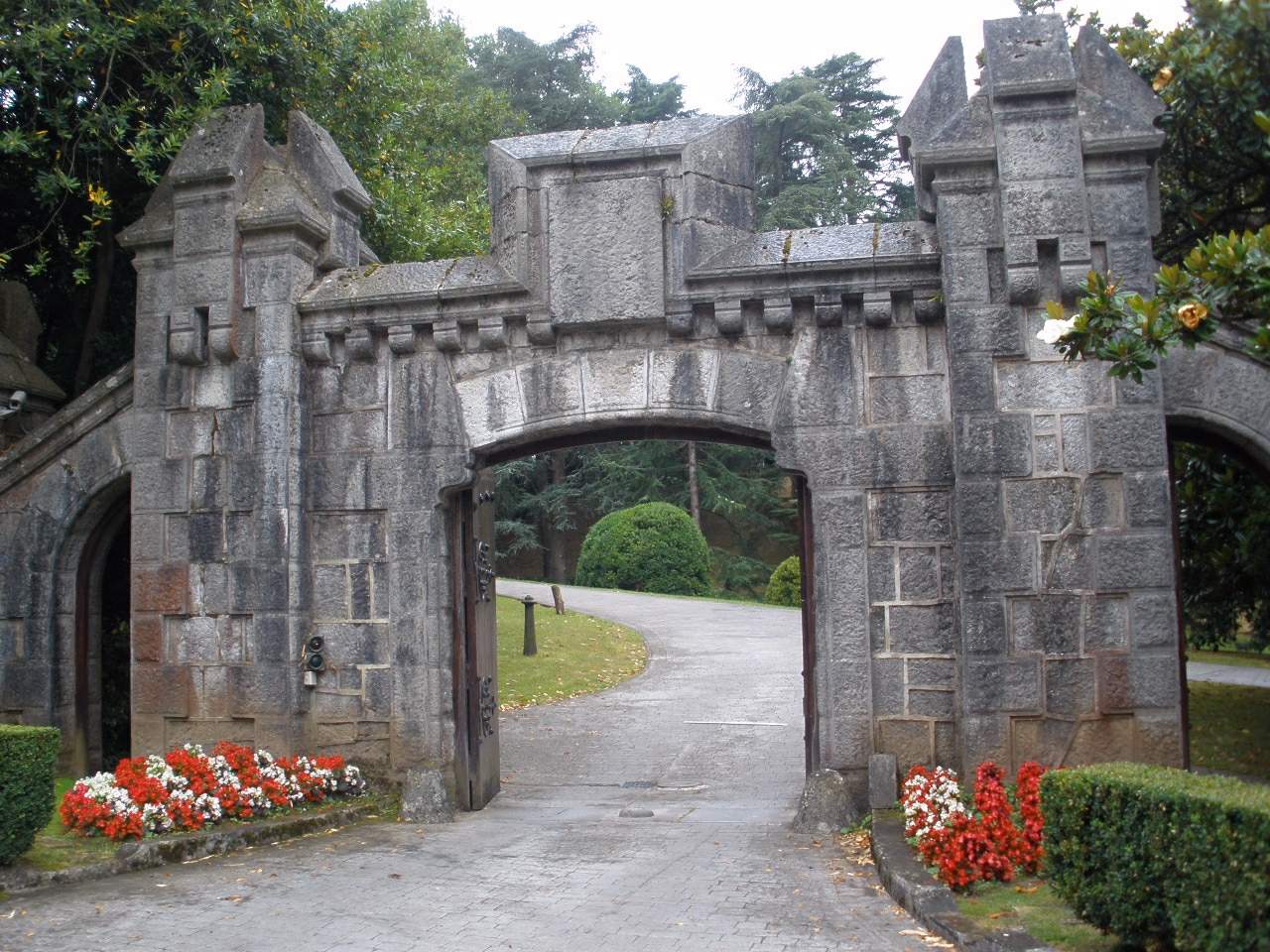
The Palace of the Count of Albox, also known as the Castañar Palace, was the residence of Manuel de Eguilior y Llaguno. It is now home to the Parador de Limpias.
Key facts
| Location | Limpias |
|---|---|
| Municipality | Limpias |
| Type | Heritage |
| Access | Exterior view; check before seeking interior access |
History and details
The municipal tourism service links the building to politician and economist Manuel de Eguilior, Count of Albox from 1905, and dates the residence to the early twentieth century. The 2026 official resolution concerning the Clock Tower adds context: the palace was built in 1903 by architect Emilio de la Torriente. It continues to operate as a hotel under the Paradores brand. Private areas of the establishment are not a public museum.
Planning a visit
To stay here or enquire about services, contact Paradores. Do not enter the gardens or private areas without permission.
Access
Viewing the building from outside does not mean it is open to the public. Check its current use and respect private property.
The residence of Manuel de Eguilior
The Castañar Palace was commissioned by Manuel de Eguilior y Llaguno, born in Limpias in 1842 and made Count of Albox in 1905. The title was connected with his contribution to rebuilding the Almería municipality of Albox after the 1891 floods. Eguilior pursued a career in public service and finance, including the governorship of the Bank of Spain and ministerial posts. The heritage resolution concerning the Clock Tower also recalls his investment in works in his birthplace.
The building was erected between 1900 and 1903 on the Castañar estate. The municipal website attributes the work to Santander architect Emilio de la Torriente and says that the floor plan is attributed to A. Ferreras, an architect from Madrid. This distinction clarifies uncertainty in some older publications that were unsure which name to give: the design and the direction of the work should not be conflated.
A transitional architectural style
The building combines a rustic appearance with Modernist and historicist features. The municipal description highlights its compact mass, four pseudo-towers at the corners, rubble masonry contrasted with ashlar around the corners and openings, and large balconies. The monumental entrance is historicist in style. The complex was conceived as a prominent residence in a tree-lined setting, not as a medieval palace or a building associated with the former Casa Lonja.
The Castañar estate, covering around six hectares according to Limpias Tourism, surrounds the palace. The municipal inventory mentions ash, chestnut, maple, magnolia and laurel trees. This woodland forms part of the property’s landscape; this guide does not claim that every tree has protected status as a notable tree or that the grounds are a public park.
From residence to Parador
The palace opened as a Parador National Tourist Hotel in February 2004 and continues to provide accommodation. Its current use means visitors can experience it as a hotel, but it does not make the interior, restaurant or garden freely open to everyone as tourist attractions. If you wish to enter, contact Paradores directly about accommodation, dining, parking and access to shared areas.
The building is one stop on a route through Limpias’s civic heritage. Unlike the BIC-protected Rivero harbour and Casa Lonja complex, no specific heritage designation is attributed to this palace here without a legal instrument to confirm it. “Parador” describes its current tourism use; ownership history, architecture and heritage status are separate matters.
How to include it in your visit
The Castañar Palace can be seen from authorised approaches to the hotel and from public places nearby. Do not cross the gate to explore the estate on your own. You can combine it with the town centre and the Church of San Pedro, but plan your travel: the municipality is spread across several neighbourhoods, and some places are not an easy walk from the Parador. Hotel availability and services change; check the official Paradores website before travelling.
More places to see in Limpias
This page is part of the Limpias guide, which lists the other places, routes and celebrations associated with this town.
- Rivero quay and Casa Lonja
- Spanish Navy Museum Park
- Limpias sword collection
- Otero Tower, or the Clock Tower
Return to Limpias or to the Limpias municipality guide.