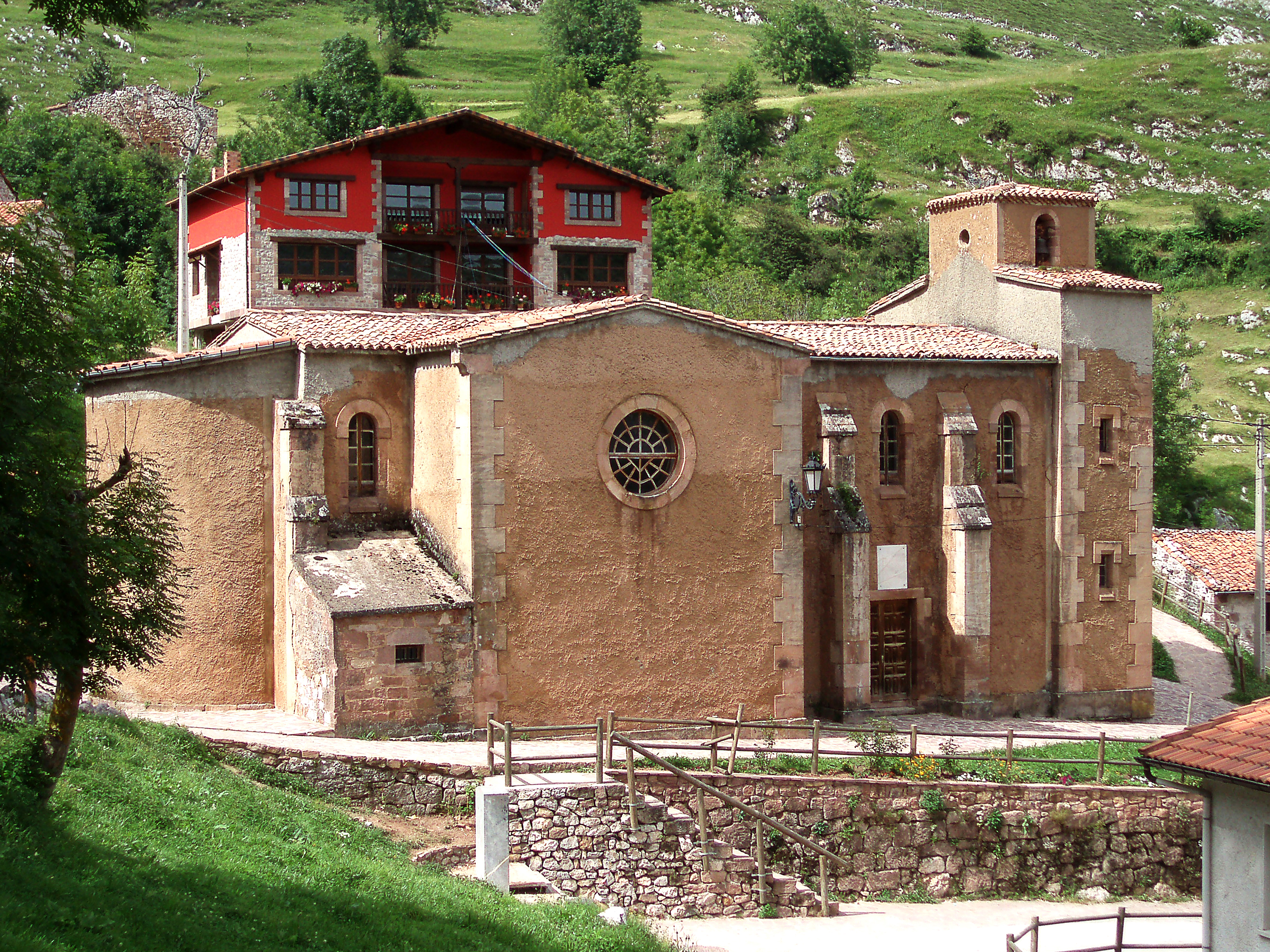
Parish of San Andrés
The parish is dedicated to Saint Andrew, an attribution supported by the Spanish Episcopal Conference. The parish archive appears in the national Censo-Guía catalogue from 1723. We have not found a sufficiently independent source to confirm the date 1904 or the architectural description repeated by websites that refer back to Viajar por Cantabria’s earlier content. The church remains an important point of reference in the village, but its history should be told with that distinction between documented evidence and unverified detail.
Visit the page for the parish church of Tresviso for information about the building. Opening arrangements and access to the interior are not guaranteed; check locally and respect services and private property.
Mining routes and communications
The National Park describes the PR-PNPE 30 as an old mining path opened in the second half of the nineteenth century. The route linked the area of Urdón and Tresviso with the mining activity of Ándara and helped move ore through difficult mountain terrain. The University of Cantabria documents the history of the mining companies in Ándara and the roads and paths they used. This industrial history explains why a demanding mountain trail was built where it was; it does not mean that abandoned workings are open to visitors.
The present-day PR-PNPE 30 from Urdón to Tresviso is a mountain route with steep gradients and exposed sections. Follow current park guidance, check the weather and do not enter mines, galleries or unstable structures. The history of the route is best understood from the authorised path and published research.
High-mountain archaeology
A 2024 academic study documents eight burial-mound structures at Pirué, La Barreda and Les Cuerres. These remains provide evidence of prehistoric activity in a high-mountain landscape and place Tresviso within a wider archaeological context. The study is the basis for identifying the sites; it does not turn every feature into a marked tourist stop or guarantee that all locations are easy to reach.
The megalithic structures of Pirué, La Barreda and Les Cuerres are discussed in a separate guide. The Cueva de La Moria appears in archaeological bibliography, but the available evidence is not sufficient to give directions to the cavity or recommend entering it. Do not enter caves or archaeological structures without authorisation and expert guidance; protect fragile sites and leave artefacts undisturbed.
For a broader view of the village, see the page on the Cueva de La Moria in Tresviso, which distinguishes bibliographic references from verified visitor access.
Sources and evidence
This overview draws on the University of Cantabria’s research on mining in Ándara, the Censo-Guía of Spanish archives, an academic publication on the prehistory of the Picos de Europa and the 2024 archaeological study published by the Centre for Mountain Studies. These sources support the distinctions made above; where a date, architectural claim or public access could not be independently confirmed, it is not presented as established fact.