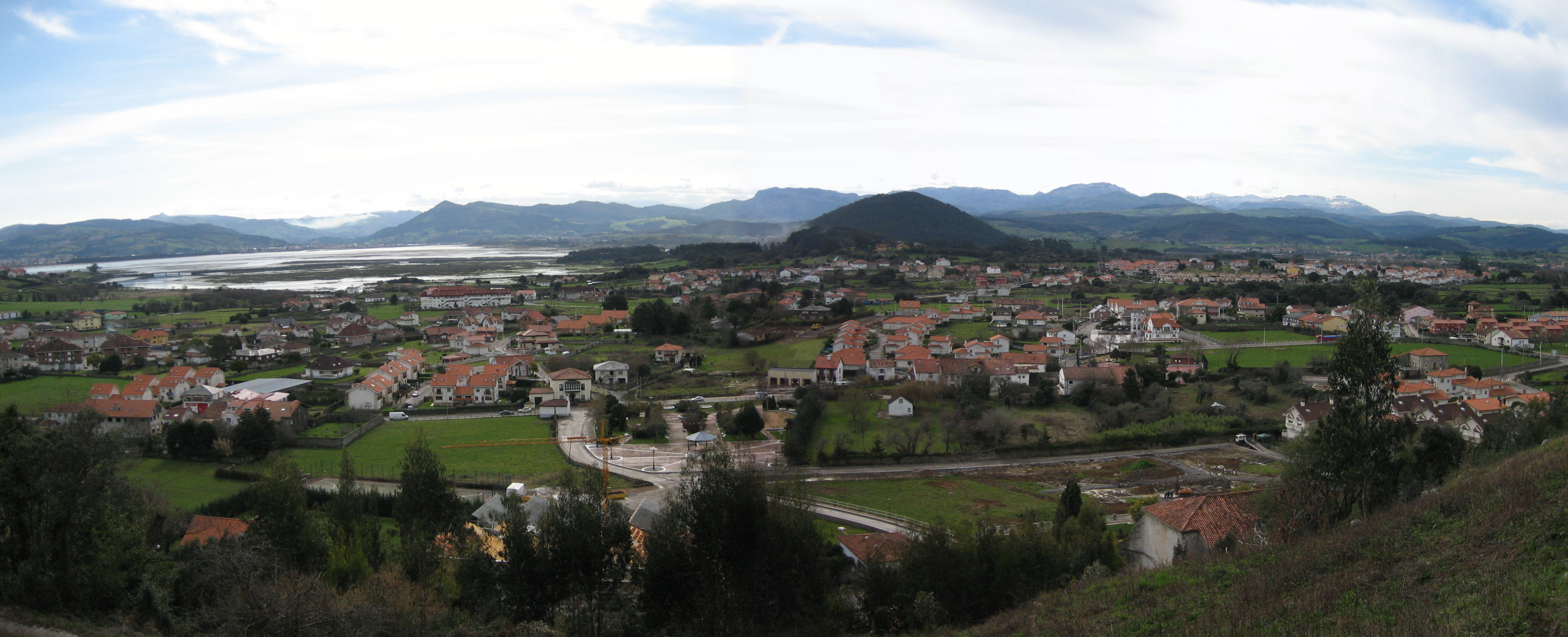
Patalea Cave, also mentioned as “Cubatalega” in older local references, appears in Argoños’ archaeological heritage inventory. This page keeps the historic Spanish URL but does not provide a route or invite visitors to enter.
Key facts
| Location | Argoños; the precise site is not disclosed here |
|---|---|
| Municipality | Argoños, Cantabria |
| Type | Archaeological heritage |
| Access | Archaeological site; no public visit confirmed |
A heritage reference, not a tourist cave
Archaeological inventories are tools for recording and protecting sites, not catalogues of caves open to visitors. The former version of this page gave measurements, instructions for crawling inside and a story about a tunnel leading to the church. These details could not be corroborated by an identifiable primary heritage source, so they have been removed.
The name Patalea is associated with Argoños’ archaeological heritage, and the name Cubatalega also occurs in local references. The material consulted does not establish in detail that both names refer to the same archaeological feature. The page therefore records the names cautiously without claiming an equivalence beyond the available documentation.
The inventory reference does not establish what materials were found, their date, the cavity’s internal extent, whether visible remains survive or its current conservation condition. It also does not confirm the story of a tunnel to the church of San Salvador. Those questions require a complete archaeological record or documentation from the competent heritage authority.
What can and cannot be verified
Other archaeological sites in the municipality do not prove that they form part of this cavity or a connected underground network. Limestone landscapes can contain natural cavities, but general geological knowledge cannot establish the shape, origin or finds of a particular site. This guide does not speculate about galleries, orientation, depth or historic use.
Nor does this page treat the cave as an extension of the church because the old archive placed the two in the same narrative. Religious buildings and archaeological sites are separate heritage assets, with different histories, ownership and access rules. If future research confirms a relationship, it should cite a verifiable source and distinguish material evidence from oral legend.
Why you should not search for an entrance
Caves can contain sediment, wildlife, archaeological remains or fragile structures that may be damaged by a single entry. In an unprepared space, visitors could encounter falling rock, pits, narrow passages, water or a difficult exit. This guide does not assess the safety of Patalea Cave and offers no assurance that an entrance exists or is stable.
Do not move vegetation or stones, cross barriers, enter private land or follow informal directions to find it. Do not excavate, collect objects or publish coordinates. If you have information about a find, contact the competent heritage service without disturbing it. For caving, use only sites where access is expressly authorised and conditions have been confirmed by the authorities and a responsible organiser.
Caution does not diminish the site’s value. Knowing that a municipality contains protected archaeological remains helps visitors understand that a landscape is more than a place for recreation. A site may be important precisely because it has not been prepared for public visits. Keeping it off informal routes reduces the risk of damage and prevents an inventory entry from being mistaken for an invitation.
Patalea within the Argoños guide
Argoños brings together marshland, paths and heritage assets of different kinds. The guide distinguishes resources with an official route, such as the walk through Ancillo and El Rivero, from sites that appear only in inventories. To explore publicly announced attractions, visit the Jado Mill interpretation centre when the town council confirms it is open, or follow official paths.
Argoños is the municipal capital; Ancillo, Cerecedas and Santiuste have their own locality pages. The presence of archaeological sites in the municipal area does not mean that all are in the central settlement or that visitors should travel to a particular neighbourhood to look for them. Patalea remains a heritage reference for the municipality, without an exact address that the consulted source does not support.
If you are looking for a cultural visit, the Jado Mill offers an interpretation centre announced by the council. For nature, the estuary can be observed from the riverside paths listed in the municipal guide. These options provide ways to experience the area without exposing an archaeological cavity whose access status is unknown.
Frequently asked questions
Can Patalea Cave be visited?
No public access or guided visit has been confirmed. Do not try to locate or enter the cavity.
Are Patalea and Cubatalega the same cave?
Local references use both names, but the material consulted does not provide a detailed archaeological equivalence. They are noted as recorded names without claiming more than the source documents.
Is there a tunnel to the church?
The former page repeated this story, but no primary heritage source confirming it has been found. It is not presented as a fact.
Archaeological heritage and conservation
The cave is recorded in heritage documentation, but an inventory entry is not an open route. Consult municipal heritage information and explore Argoños using authorised paths; do not search for entrances or enter caves.
Sources: Consult source ↗, Consult source ↗.